










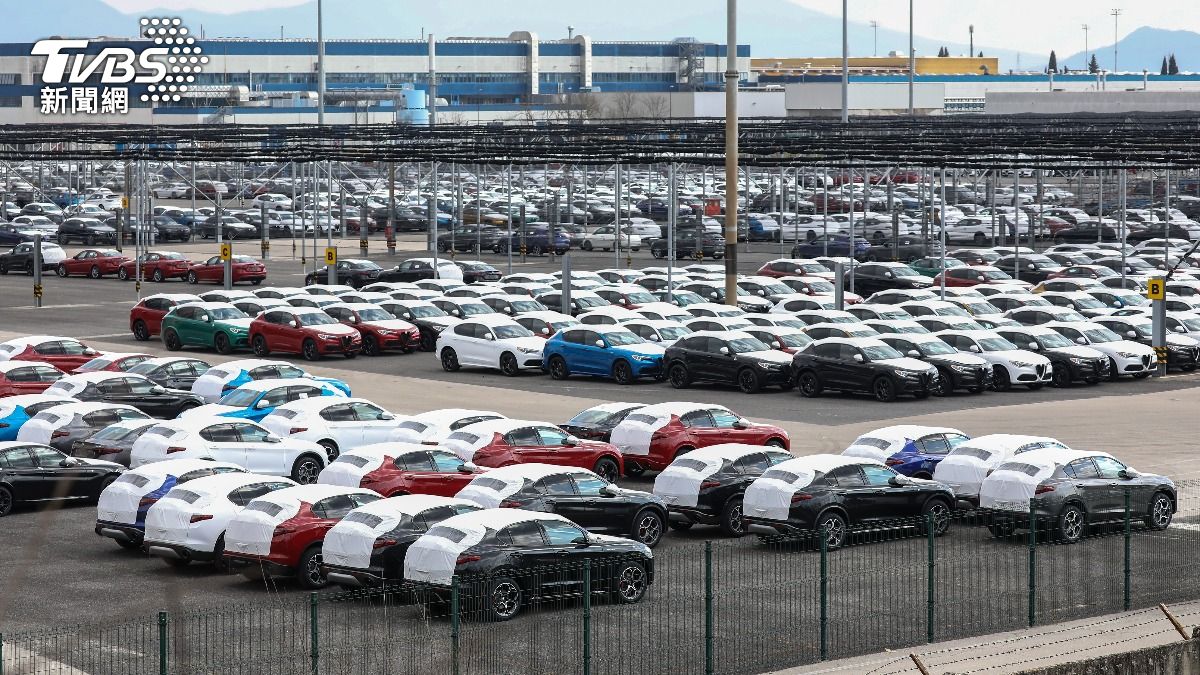
TAIPEI (TVBS News) — Taiwan faces potential economic disruption as Minister of Economic Affairs J.W. Kuo (郭智輝) issued a stark warning Wednesday (April 9) that hastily implemented tariff reductions could trigger substantial employment losses across the island's automotive sector, an industry currently providing livelihoods for more than 100,000 workers. The minister's cautionary assessment comes amid escalating trade tensions and ongoing negotiations with major trading partners.
The concerns emerge against a backdrop of heightened trade friction after the United States imposed a substantial 32% tariff on Taiwanese exports, a move that has prompted President Lai Ching-te (賴清德) to pursue diplomatic channels toward establishing a zero-tariff agreement with Washington. Speaking before the Legislative Yuan Economic Committee (經濟委員會, Taiwan's parliamentary economic oversight body), Minister Kuo outlined comprehensive strategies designed to support traditional manufacturing sectors and small-to-medium enterprises navigating the volatile international trade environment. The minister distinguished between different segments of the automotive industry in his analysis, suggesting that while complete vehicle manufacturing faces relatively limited immediate consequences, the 25% tariff on automotive components presents more significant challenges requiring continuous monitoring and evaluation.
During the committee proceedings, Kuomintang (KMT, 國民黨) Legislator Niu Hsu-ting (牛煦庭), representing Taiwan's main opposition party, advocated forcefully for the elimination of all tariffs in upcoming trade negotiations, emphasizing widespread consumer resistance to automotive import duties. The opposition legislator challenged the historical justification for Taiwan's protective tariff regime, questioning whether such measures still serve their original purpose of nurturing domestic manufacturing. Niu presented detailed employment statistics to underscore the stakes of any policy shift, noting that Taiwan's complete vehicle manufacturing sector provides approximately 52,000 jobs, while the more extensive automotive parts supply chain encompasses over 2,000 small and medium enterprises that collectively employ 248,000 workers. The legislator warned that precipitous tariff reductions could trigger widespread workforce reductions and mandatory unpaid leave across these businesses.
In his measured response to these concerns, Minister Kuo highlighted Taiwan's established competitive advantages in the lucrative automotive aftermarket sector, which generates annual revenues exceeding NT$200 billion (around US$6.06 billion). Drawing on comprehensive research conducted by the Ministry of Economic Affairs (經濟部), Kuo offered a more optimistic assessment of the industry's resilience, suggesting that Taiwanese consumer preferences for domestically manufactured vehicles might persist even under a hypothetical zero-tariff import regime. This consumer loyalty, the minister implied, could provide a crucial buffer for local manufacturers facing increased international competition.