










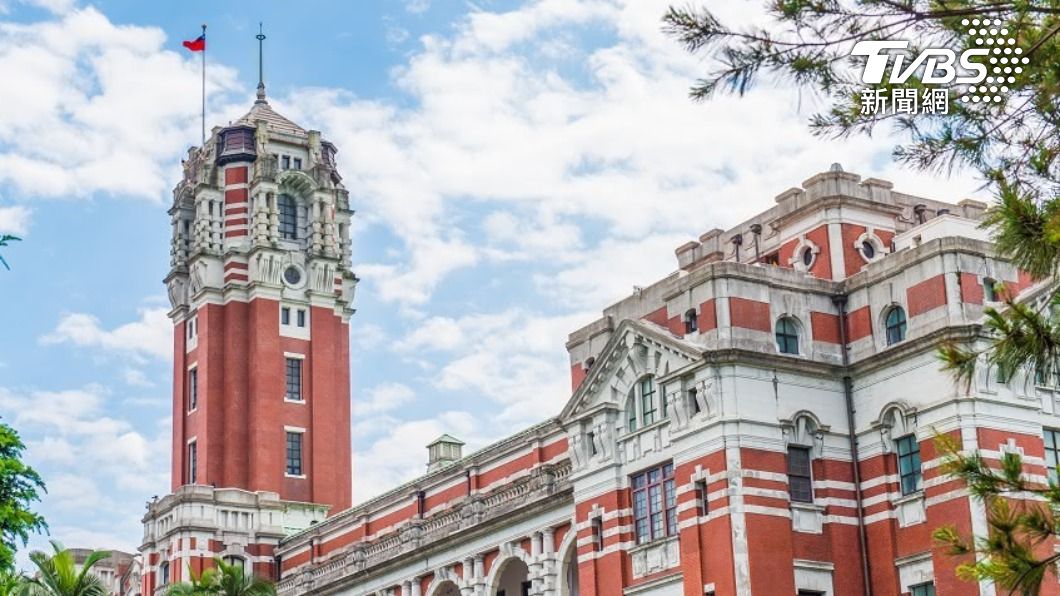
TAIPEI (TVBS News) — Taiwan has mobilized a comprehensive economic defense strategy as the island braces for potential fallout from sweeping new tariff policies announced by the Trump administration. The Presidential Office (總統府) unveiled plans Monday (March 31) to safeguard Taiwan's economic stability amid growing concerns over the global impact of America's protectionist trade measures. Senior officials committed to providing substantial support mechanisms for vulnerable industries likely to face headwinds from the tariffs, with particular emphasis on defending Taiwan's export-driven economy and preserving its competitive advantages in international markets.
In a significant development highlighting the administration's concerns, Premier Cho Jung-tai (卓榮泰) conducted an urgent Sunday evening briefing at the presidential residence to present Taiwan's strategic response to the impending trade challenges. Presidential Office spokesperson Karen Kuo (郭雅慧) revealed that government economic teams have been working intensively behind the scenes, running detailed simulations and comprehensive impact assessments to quantify potential disruptions to Taiwan's export sectors. These analyses have informed a series of contingency plans designed to mitigate adverse effects on the island's manufacturing base and maintain stability in its financial markets.
According to Kuo, President Lai expressed deep appreciation for the proactive approach taken by Cho's administrative team during recent months of economic uncertainty. The spokesperson emphasized that Taiwan's leadership recognizes the strategic importance of preparing for various scenarios as global trade tensions escalate. In response to the evolving situation, Lai has directed both Premier Cho and National Security Council (NSC, 國家安全會議) Secretary-General Joseph Wu (吳釗燮) to establish enhanced monitoring protocols and maintain constant vigilance as the international trade landscape continues to shift.
The urgency of Taiwan's preparations comes in direct response to recent statements from President Trump clarifying the expansive scope of his administration's forthcoming trade actions. Moving beyond earlier speculation that suggested a targeted approach affecting a limited number of trading partners, Trump has now confirmed that his reciprocal tariff policy will encompass global trade relationships. The U.S. president outlined a straightforward but potentially disruptive framework whereby American tariffs would mirror those imposed by other nations on U.S. exports, creating a symmetrical but potentially escalatory trade environment that could significantly impact Taiwan's export-oriented economy.