










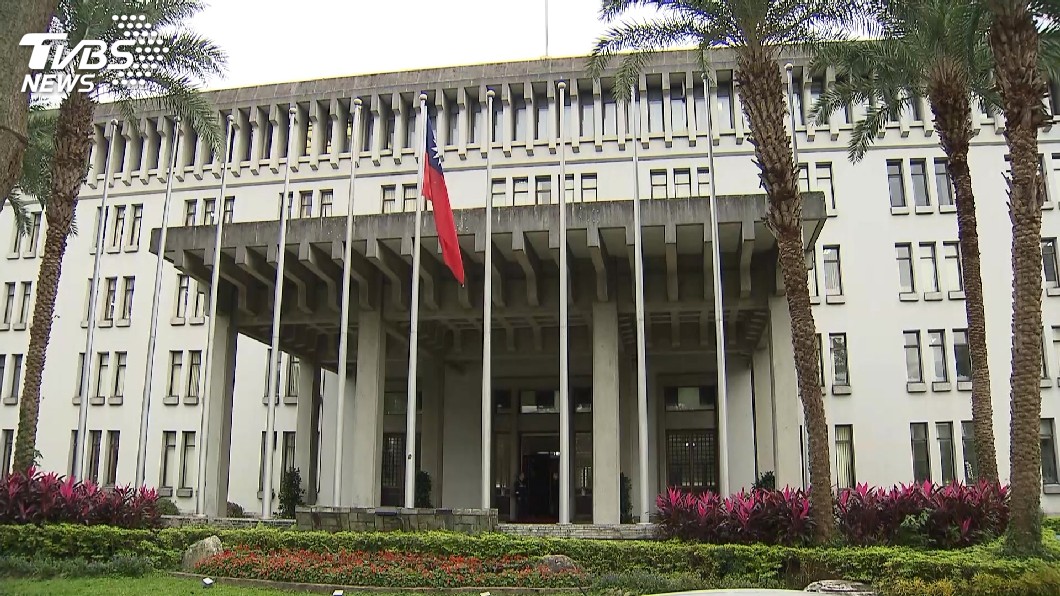
TAIPEI (TVBS News) — Taiwan is seeking urgent diplomatic talks with South Africa after being told to relocate its representative office from Pretoria before the month ends. Ministry of Foreign Affairs (MOFA, 外交部) spokesperson Hsiao Kuang-wei (蕭光偉) confirmed on Tuesday (March 25) that Taiwan has formally requested negotiations regarding the abrupt demand, which threatens to further strain relations between the two nations. The looming deadline has raised concerns about South Africa's shifting stance toward Taiwan amid growing Chinese influence in the region.
The diplomatic pressure began materializing in January when South African authorities unilaterally altered the official designation of Taiwan's mission on government websites. On March 5, the previously named Taipei Liaison Office (台北聯絡代表處) was redesignated as the Taipei Commercial Office (台北商務辦事處), signaling a downgrade in diplomatic recognition. Hsiao explained that Taiwan has outlined specific discussion points for negotiations, including implementation timing, staffing considerations, and formal agreement procedures, but has yet to receive any substantive response from Pretoria.
This represents the second time within six months that South Africa has pressed Taiwan to relocate its representative office. A similar ultimatum was issued in late October 2024, creating significant diplomatic tension. In that instance, South African officials softened their position just 48 hours before the deadline, indicating a willingness to engage in discussions through established diplomatic channels. The pattern of pressure followed by last-minute negotiation offers has created uncertainty in Taiwan's diplomatic planning.
The MOFA spokesperson highlighted South Africa's prominent international role as this year's G20 summit host, suggesting that such status carries a responsibility to uphold established diplomatic protocols. Hsiao specifically referenced the bilateral framework established between Taiwan and South Africa in 1997, which has governed their unofficial relations for nearly three decades. The implication was clear: as a significant global player, South Africa should respect longstanding diplomatic arrangements rather than unilaterally altering them.