









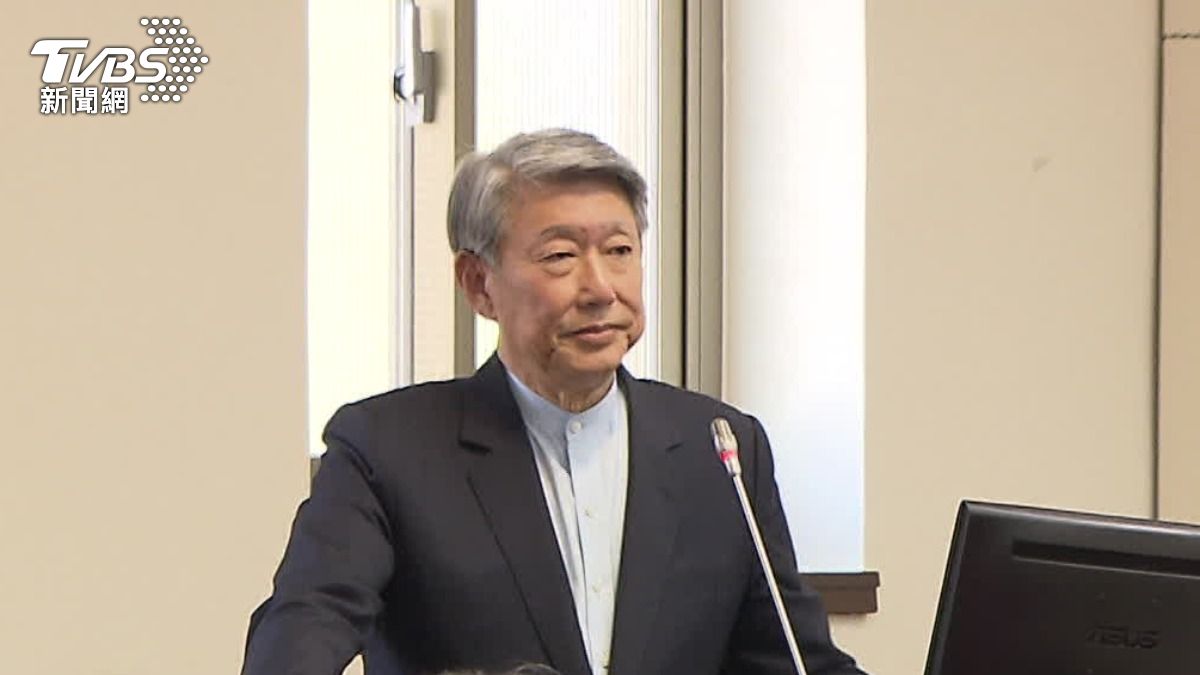
TAIPEI (TVBS News) — Taiwan has established comprehensive contingency plans for essential supplies should tensions with Beijing escalate into conflict, Economic Affairs Minister J.W. Kuo (郭智輝) confirmed on Tuesday (March 25) . Speaking with measured caution, Kuo acknowledged the existence of strategic reserves for critical resources including water, electricity, and food supplies, but deliberately avoided disclosing their duration capacity. "The specifics of our preparedness timeline remain sensitive information," Kuo explained, underscoring the delicate balance Taiwan maintains in its crisis readiness communications.
This revelation comes days after The Wall Street Journal reported that China's People's Liberation Army has significantly upgraded its capabilities to encircle Taiwan and potentially cut off the island's external communications. The report paints a sobering picture of Beijing's military posture toward the self-governed democracy. Bonny Lin, who directs the China Power Project at the Center for Strategic and International Studies (CSIS), offered a stark assessment: "I think there's general agreement both in the United States and Taiwan that if China wanted, it could quarantine or blockade Taiwan today."
Fielding questions before entering a legislative session, Minister Kuo carefully navigated inquiries about Taiwan's resilience against potential Chinese aggression. While confirming that response strategies exist, he firmly declined to provide specifics regarding how long Taiwan could withstand isolation. The minister's reluctance became more pronounced when journalists directly questioned whether such information falls under classified protocols. His cryptic one-word response — "Probably" — left little doubt about the strategic sensitivity surrounding Taiwan's emergency preparedness measures.
On a more optimistic note, Kuo pivoted to discuss strengthening energy ties with Washington, emphasizing a newly announced natural gas partnership that signals deepening bilateral cooperation. The minister assured that Taiwan's approach to domestic electricity pricing would remain balanced, taking into account various energy sources and their associated costs. He expressed openness toward emerging technologies, specifically referencing innovations recently highlighted by American Institute in Taiwan (AIT) Director Raymond Greene. This energy collaboration represents a critical component of Taiwan's broader strategy to diversify partnerships amid regional uncertainties.