TVBS TECH看論壇/台灣高度集中的產業聚落優勢 AI巨頭為何離不開這座島嶼
- 作者:Richard Brown
- 發佈時間:2026.08.21 10:43
- 最後更新時間:2026.08.27 16:48
- 作者:Richard Brown
- 發佈時間:2026.08.21 10:43
- 最後更新時間:2026.08.27 16:48
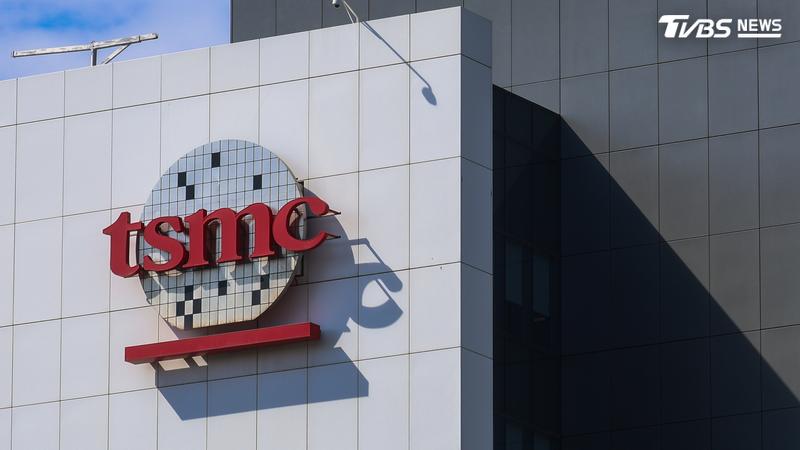
台灣主導全球AI基礎建設,包括台積電在內等業者,生產逾九成先進晶片及多數AI伺服器。(圖/美聯社)
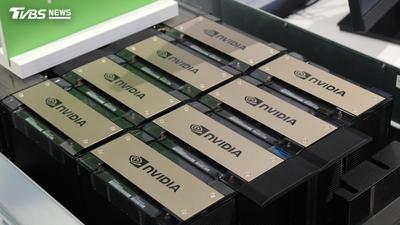
台灣主導全球AI基礎建設,生產逾九成先進晶片及多數AI伺服器。輝達Vera Rubin平台近兩百萬零組件,由150家台灣夥伴在逾350座工廠製造。
Taiwan dominates AI infrastructure, producing over 90% of advanced chips and most AI servers. Nvidia's Vera Rubin platform uses nearly 2M components from 150 Taiwan partners across 350+ factories.
2026年6月的第一週,輝達、英特爾、高通與安謀的執行長相繼登上台北國際電腦展的舞台。他們的演講內容各不相同,傳達的訊息卻只有一個:台灣正在打造AI時代的關鍵基礎。黃仁勳拿出了具體數據佐證,輝達最新的Vera Rubin平台,每套系統包含近兩百萬個零組件,全都仰賴約150家台灣合作夥伴、橫跨超過350座工廠共同生產。安謀執行長哈斯(Rene Haas)則以更直接的方式點出這層依賴關係:「沒有台灣,就沒有今日的安謀。」
兩人所言毫不誇張。全球逾九成最先進的半導體晶片由台灣製造,大多數AI伺服器也出自台灣之手。這座缺乏天然資源、人口不到兩千五百萬的島嶼,是如何做到的?
這項成就主要可歸因於兩大因素。其一是長期且具前瞻性的產業布局。早在「AI」一詞出現之前,以李國鼎為代表的科技政策推手,便把台灣的未來押注在電子業上,建立研究機構、科學園區與人才培育體系,奠定半導體與電腦產業崛起的基礎。
第二個因素,則是數十年來始終專注於為全球客戶提供製造服務。從早期的收音機與電視機,到個人電腦與筆記型電腦,如今則是AI伺服器。張忠謀則將這種專注製造的理念,發展為台積電的純晶圓代工模式。這項創新的商業模式,讓包括輝達、聯發科在內的新一代晶片設計公司,得以專注於晶片創新,而無須斥資數十億美元打造自有晶圓廠。
這兩項因素共同累積成高度集中的產業聚落,最終造就台灣真正的競爭優勢。數千家專業廠商聚集於少數幾個產業廊帶,憑藉數十年建立的合作信任與技術積累,設計一有修改,整條供應鏈便立即同步調整,並在台灣境內完成從設計調整到成品製造的完整流程。每當輝達構想出一台看似不可能的新機器,晶圓廠、封裝廠、PCB廠、電源與散熱設備供應商、伺服器組裝廠便同時動起來。
台灣並未就此止步。它正從製造伺服器與機櫃,進一步拓展到提供完整的AI資料中心,逐步導入以光學取代銅線的資料傳輸技術,並打造足以引領未來十年的先進AI晶片。隨著智慧從資料中心擴散到終端裝置、再走進實體世界,島上的精密機械業者正把數十年的工具機功力,轉而投入人形機器人機體的製造。
真正的考驗還在前方。台灣必須在島內與海外同步擴大產能,以因應持續攀升的全球需求,並證明它的模式能夠移植到美國、日本與德國,台積電等企業已在這些地方興建廠房。在國內,台灣必須提升全球最低的生育率,培育更多工程師,並擴充電力與供水基礎設施。然而,台灣已多次完成產業轉型,且每次都變得更強大。這座從製造收音機、電視機起,如今卻能打造全球最先進AI晶片與製造體系的島嶼,才正要大展身手。⏺
In the first week of June 2026, the chief executives of Nvidia, Intel, Qualcomm, and Arm all took the stage at Computex in Taipei. Their scripts may have differed, but they all delivered the same message that Taiwan is building the backbone of the AI age. Jensen Huang had the figures to prove it. Nvidia's new Vera Rubin platform runs to nearly two million components per system, built by some 150 Taiwan partners across more than 350 factories. Rene Haas put the dependency most bluntly: "Without Taiwan, there really is no Arm."
Neither man was exaggerating. Taiwan makes more than 90 percent of the world's most advanced chips and builds most of its AI servers. How did an island with no natural resources and a population under twenty-five million pull that off?
Two factors explain most of it. The first was strategy. Long before anyone spoke of AI, technocrats like K.T. Li bet the island's future on electronics, building the research institutes, science parks, and talent pipelines from which its semiconductor and PC industries grew.
The second was a single-minded focus on manufacturing for global customers: radios and televisions first, then PCs and laptops, now AI servers. Morris Chang turned that discipline into the pure-play foundry at TSMC that freed a new generation of chip design houses, Nvidia and MediaTek among them, to invent without having to invest billions of dollars in building their own fab.
Together, these two factors compounded into Taiwan's real advantage: density. Thousands of specialist firms sit packed into a few corridors, bound by decades of trust and accumulated know-how, so a design change can ripple through the entire supply chain and return as a finished product without leaving the island. When Nvidia dreams up an impossible new machine, the foundry, the packaging plants, the PCB manufacturers, the power and cooling makers, and the server assemblers all move at once.
Taiwan is not stopping there. It is pushing beyond making servers and racks to providing complete AI data centers, learning to move data with light instead of copper, and building the advanced AI chips that will define the next decade. As intelligence spreads from the data center to the device and into the physical world, the island's precision-machinery makers are turning decades of machine-tool know-how to the bodies of humanoid robots.
Real tests lie ahead. Taiwan must scale production, both on the island and overseas, to meet rising global demand, and prove its model can travel to the United States, Japan, and Germany, where companies like TSMC are already building. At home, it must raise the world's lowest birth rate, train more engineers, and expand its power and water infrastructure. But Taiwan has reinvented itself before and come out stronger each time. The island that went from making radios and TVs to building the world's most advanced AI chips and factories is only just getting started.