










TAIPEI (TVBS News) — Taiwan's top monetary official suggested Thursday (April 10) that recent volatility in U.S. markets may have prompted President Donald Trump's unexpected policy reversal on trade tariffs. Central Bank Governor Yang Chin-long (中央銀行), Taiwan's equivalent of the Federal Reserve, told legislators that Trump's abrupt 90-day suspension of high reciprocal tariffs — reducing most rates to 10% while still escalating duties on Chinese imports to 125% — appeared motivated by concerns over plummeting U.S. stock values.
Central Bank Governor Yang Chin-long (楊金龍), addressing the Finance Committee of the Legislative Yuan (立法院財政委員會), responded to the Democratic Progressive Party (DPP, 民進黨) Legislator Lai Hui-yuan (賴惠員) by noting that while he anticipated a relaxation of tariff policies, he did not foresee such a dramatic shift. Yang further stated that U.S. stocks plunged after the announcement of reciprocal tariffs. Trump didn't expect the market to take such a heavy hit.
During testimony before the "Finance Committee" of Taiwan's parliament (立法院財政委員會), Governor Yang Chin-long (楊金龍) acknowledged to Democratic Progressive Party (DPP, 民進黨) legislator Lai Hui-yuan (賴惠員) that the scale of Trump's policy adjustment had surprised him. While he anticipated some relaxation of tariff policies, Yang remarked he did not foresee such a dramatic shift. The central banker explained that American equities had suffered significant losses following Trump's initial reciprocal tariff announcement, creating market pressures that apparently caught the U.S. president off guard.
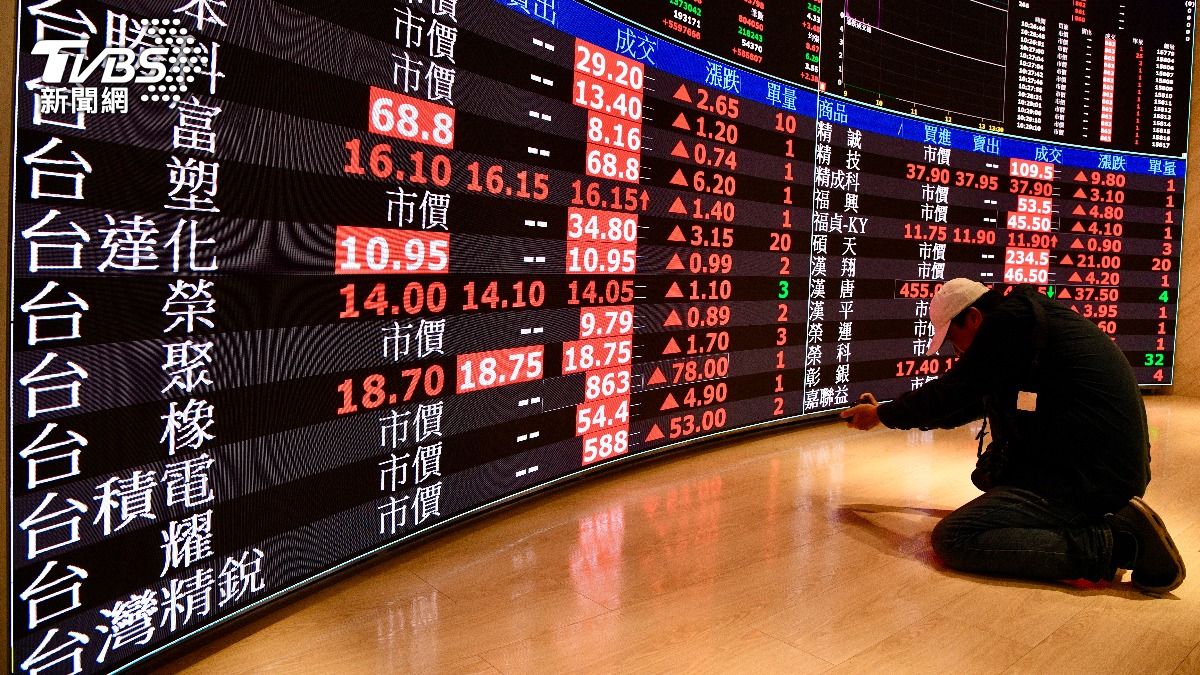
When pressed by opposition Kuomintang (KMT, 國民黨) Legislator Lai Shyh-bao (賴士葆) about prospects for Taiwan's equity markets to recover from recent downturns, Governor Yang struck a cautious tone. The central bank chief emphasized that significant uncertainty continues to cloud financial markets globally. He pointed to the newly established three-month tariff adjustment period as a critical factor that makes definitive market predictions challenging in the near term.