










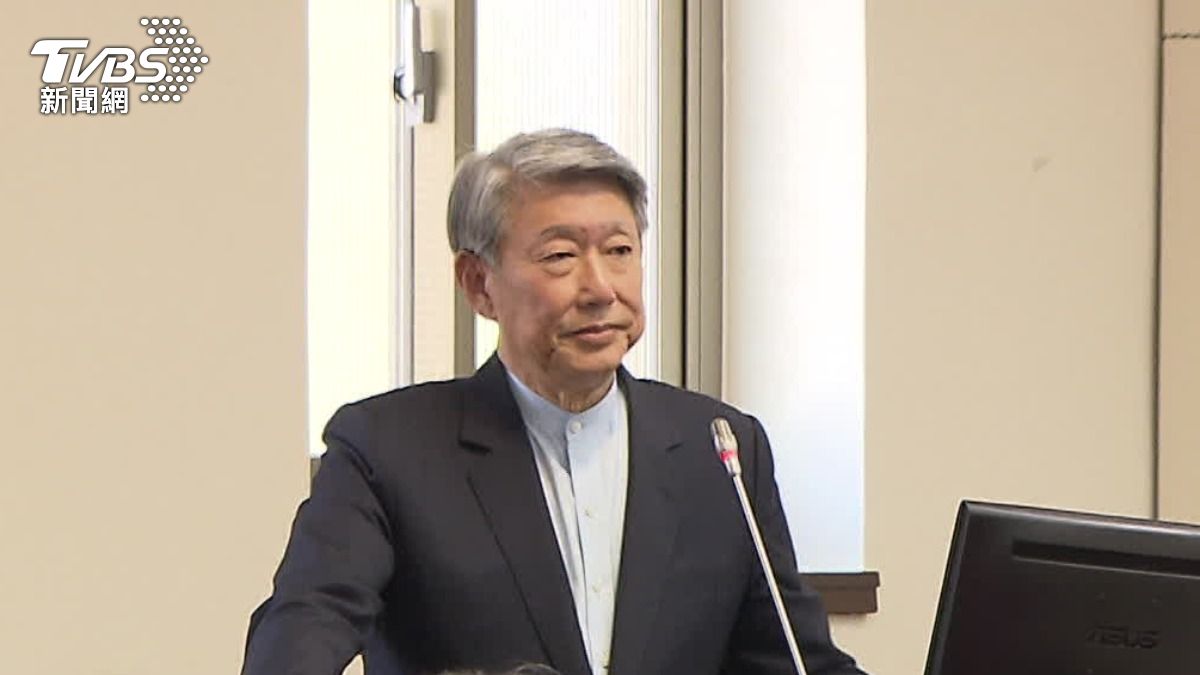
TAIPEI (TVBS News) — Taiwan's electricity provider deserves financial relief after bearing the burden of frozen rates for years, the nation's top economic official declared on Tuesday (March 25). Minister of Economic Affairs J.W. Kuo (郭智輝) made a forceful case for compensating the Taiwan Power Company (Taipower, 台電) during his address at the "2025 Energy Sustainability Forum" in Taipei. The state-owned utility has absorbed massive international fuel cost increases while maintaining stable consumer electricity prices, a policy that has protected households but severely strained the company's finances.
The financial toll on Taipower has reached staggering proportions, according to figures released by the Ministry of Economic Affairs (MOEA, 經濟部). Over the past three years, the utility has shouldered NT$600 billion (approximately US$18.2 billion) in additional fuel costs without passing these expenses to consumers. Minister Kuo emphasized that this policy resulted in Taipower accumulating losses of NT$422.9 billion (about US$12.8 billion) in 2024 alone. These losses stem directly from the government's decision to shield consumers from the full impact of soaring international fuel prices that have affected energy markets worldwide.
Despite these financial challenges, Taiwan remains committed to its ambitious environmental goals, Minister Kuo affirmed. The island's energy strategy continues to prioritize carbon reduction with a long-term vision of achieving net-zero emissions. This approach emphasizes comprehensive energy conservation measures alongside the development of diverse renewable energy sources to improve overall efficiency. Kuo reaffirmed the government's dedication to expanding Taiwan's capacity in offshore wind farms and solar photovoltaic installations while simultaneously investing in emerging technologies such as geothermal energy and small-scale hydropower projects.
To overcome obstacles in renewable energy expansion, the MOEA has reportedly enhanced coordination between government agencies to tackle persistent challenges related to land acquisition and financing requirements. These improved interagency mechanisms operate alongside targeted policy incentives designed to stimulate greater private sector investment in green energy projects. In his concluding remarks, Kuo emphasized the administration's pragmatic approach to emerging energy technologies, stating that Taiwan would remain receptive to innovative solutions and implement them strategically according to the nation's specific development needs and conditions.