台灣晶片與伺服器大廠加速海外投資
- 作者:Richard Brown
- 發佈時間:2026.10.06 09:48
- 最後更新時間:2026.10.06 09:48
- 作者:Richard Brown
- 發佈時間:2026.10.06 09:48
- 最後更新時間:2026.10.06 09:48
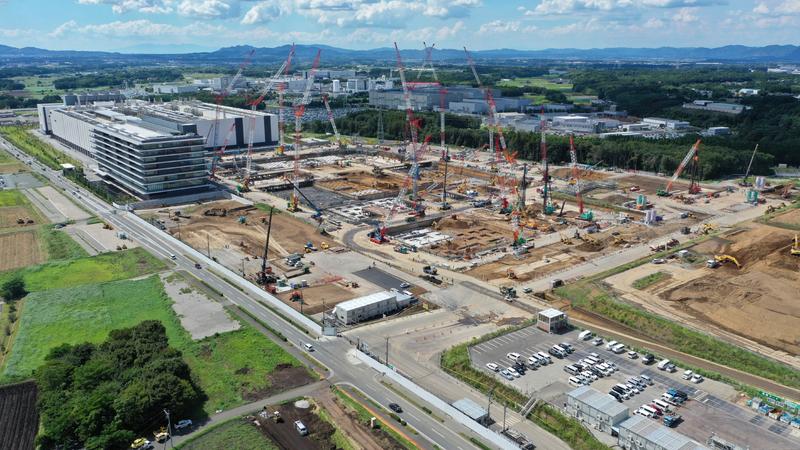
台灣晶片與伺服器大廠加速海外投資(圖/達志影像美聯社)
台積電洽談德州布局,反映台灣科技業正透過海外投資鞏固客戶關係、擴充產能,並滿足在地生產需求。
台積電傳出考慮在德州興建耗資數十億美元的製造園區,同時與馬斯克旗下的 TeraFab 計畫洽談合作,凸顯台灣科技業加速海外擴張的趨勢。德州投資案尚未獲得證實,但馬斯克已確認正與台積電討論。馬斯克尋求製造技術與經驗的支持,也說明海外半導體與 AI 基礎建設的發展,仍高度仰賴台灣企業。
彭博報導,這座規劃中的園區可能包含多座晶圓廠,每座造價至少達 200 億美元,將是台積電據報已承諾投入亞利桑那州的 2,650 億美元之外的新增投資。台積電對市場傳聞不予評論。與 TeraFab 合作,可望將台積電的製造能力與馬斯克旗下企業的晶片需求結合,但股權、投資及營運安排仍未定案。
這波趨勢同時受到商業需求、政治與市場壓力推動。美國客戶希望確保先進晶片與完整 AI 系統的穩定供應,華府則希望將更多生產活動與就業機會留在美國。對台灣供應商而言,海外設廠除了擴大產能,也日益成為鞏固長期客戶關係的重要方式。
伺服器製造商已將這些需求轉化為實際投產的工廠。緯創於 7 月啟用德州沃斯堡廠,這是其 7 億美元製造投資計畫的一環,生產搭載輝達 Grace Blackwell Ultra 晶片的板卡。這座工廠讓緯創直接參與輝達在美國建立 AI 硬體供應鏈的布局。
緯穎在德州的投資已超過 16 億美元。公司於 9 月宣布擴充索科羅據點,為亞馬遜的基礎設施製造及整合伺服器系統與機櫃。亞馬遜明確指出,這項計畫是將客製化硬體生產移至美國的一部分,顯示雲端客戶正參與塑造供應商的生產布局。
廣達與鴻海今年也追加資金投入。廣達董事會於 8 月通過對美國子公司 QMN 增資 9.73 億美元,分階段擴充加州的 AI 伺服器組裝產能。鴻海則於 3 月宣布,向位於休士頓的 Foxconn Assembly 注資 2.95 億美元。
海外擴張也不限於美國。台積電於 8 月與 Sony 簽署協議,在日本熊本成立新的影像感測器製造合資公司,規劃分階段投入約 2,820 億日圓現金,預計於 2029 年量產。Sony 將掌握合資公司的控制權,結合自身的感測器技術與台積電的製程及製造能力。
這些投資各有不同目的。美國伺服器工廠支援當地交貨,並協助客戶落實在地生產承諾;與 Sony 的合資案,則讓台積電深化與重要客戶的合作,滿足其產品對更先進半導體製造技術的需求。
挑戰在於如何在不同地點建立同樣可靠的生產能力。工廠需要經驗豐富的工程師、受過訓練的作業人員、合格供應商,以及穩定的水電等基礎設施。緯創在德州廠啟用前運用工廠模擬與虛擬訓練,便反映出將製造能力移轉海外所需的準備工作。
台灣的本土基地仍不可或缺。台積電正擴充新竹與高雄的 2 奈米製造產能,並持續投資先進封裝。這些計畫支援日益複雜的 AI 晶片生產,也讓製程開發與製造經驗保持緊密連結。
廣達同樣在台灣研發總部附近規劃新增伺服器產能,讓工程與生產團隊能共同開發新設計,並為量產做好準備。技嘉則透過旗下技鋼科技強化在台工程能力。技鋼於 9 月 22 日宣布,在新北市土城建置 GAIFA AI 算力中心,讓工程師與客戶在大規模部署前,先驗證完整 AI 系統的運算效能、液冷散熱、電力供應及網路運作。
這些投資顯示,台灣的本土營運是企業拓展國際市場的重要支柱。海外工廠讓生產更貼近客戶,滿足在地供應需求;台灣據點則負責開發、測試及改良海外工廠將交付的系統。隨著 AI 基礎設施日益複雜,同步強化海內外能力,將有助於台灣科技業持續服務全球客戶。
Taiwan’s Chip and Server Makers Accelerate Overseas Investment
TSMC’s Texas discussions highlight a broader push to secure customers, expand capacity, and meet demands for local production.
Reports that TSMC is considering a multibillion-dollar manufacturing campus in Texas, alongside discussions with Elon Musk’s TeraFab project, highlight the accelerating overseas expansion of Taiwan’s technology industry. The Texas investment remains unconfirmed, but Musk has acknowledged talks with TSMC. His pursuit of manufacturing expertise illustrates why building semiconductor and AI infrastructure abroad continues to depend heavily on Taiwan companies.
Bloomberg reports that the proposed campus could include several fabs costing at least US$20 billion each, beyond TSMC’s reported US$265 billion Arizona commitment. TSMC has declined to comment on market rumors. A TeraFab partnership could connect its manufacturing capabilities with demand from Musk’s businesses, although ownership, investment, and operating arrangements remain unsettled.
The broader trend combines commercial demand with political and market pressures. American customers want reliable access to advanced chips and complete AI systems, while Washington wants more production and employment inside the United States. For Taiwan suppliers, overseas factories increasingly help secure long-term customer relationships as well as expand output.
Server manufacturers are already translating those pressures into operating facilities. Wistron opened its Fort Worth plant in July as part of a US$700 million manufacturing commitment, which produces boards incorporating Nvidia’s Grace Blackwell Ultra chips. Its role connects Wistron directly to Nvidia’s effort to establish an American AI hardware supply chain.
Wiwynn’s Texas investment exceeds US$1.6 billion. In September, the company announced an expansion of its Socorro operations, where Wiwynn manufactures and integrates server systems and racks for Amazon’s infrastructure. Amazon explicitly links the project to bringing custom hardware production into the United States. The relationship shows how cloud customers are helping shape their suppliers’ manufacturing locations.
Quanta and Foxconn have also committed additional funding this year. Quanta’s board approved a US$973 million capital injection into its US subsidiary QMN in August to expand California AI server assembly, with funding deployed in stages. Foxconn announced a US$295 million injection into Houston-based Foxconn Assembly in March.
The expansion extends beyond America. In Japan, TSMC signed an August agreement with Sony for a new image-sensor manufacturing venture in Kumamoto, committing approximately ¥282 billion in phased cash contributions. Production is expected in 2029. Sony will control the venture, combining its sensor expertise with TSMC’s process technology and manufacturing capabilities.
These projects serve different purposes. American server plants support domestic delivery and customers’ localization commitments. The Sony venture places TSMC alongside a major customer whose products require increasingly sophisticated semiconductor manufacturing.
The challenge is reproducing reliable production across these locations. Factories need experienced engineers, trained workers, qualified suppliers, and dependable utilities. Wistron’s use of factory simulation and virtual training before its Texas opening illustrates the preparation required to transfer manufacturing capabilities overseas.
Taiwan’s domestic base remains essential, with TSMC expanding 2nm manufacturing in Hsinchu and Kaohsiung and investing in additional advanced packaging capacity. These projects support the production of increasingly complex AI chips while keeping process development and manufacturing expertise closely connected.
Quanta is also pursuing additional server capacity near its Taiwan research headquarters, where engineers and production teams can work together on new designs and prepare them for volume manufacturing. Gigabyte is strengthening its domestic engineering capabilities through subsidiary Giga Computing, which announced its GAIFA AI computing center in Tucheng, New Taipei City, on September 22. The center will allow engineers and customers to test complete AI systems, including computing performance, liquid cooling, power delivery, and networking, before deploying them at scale.
These investments show how Taiwan’s domestic operations support international expansion. Overseas factories bring production closer to customers and meet demands for local supply, while facilities in Taiwan develop, test, and refine the systems those factories will deliver. Sustaining both strengthens the industry’s ability to serve global customers as AI infrastructure becomes more complex.