










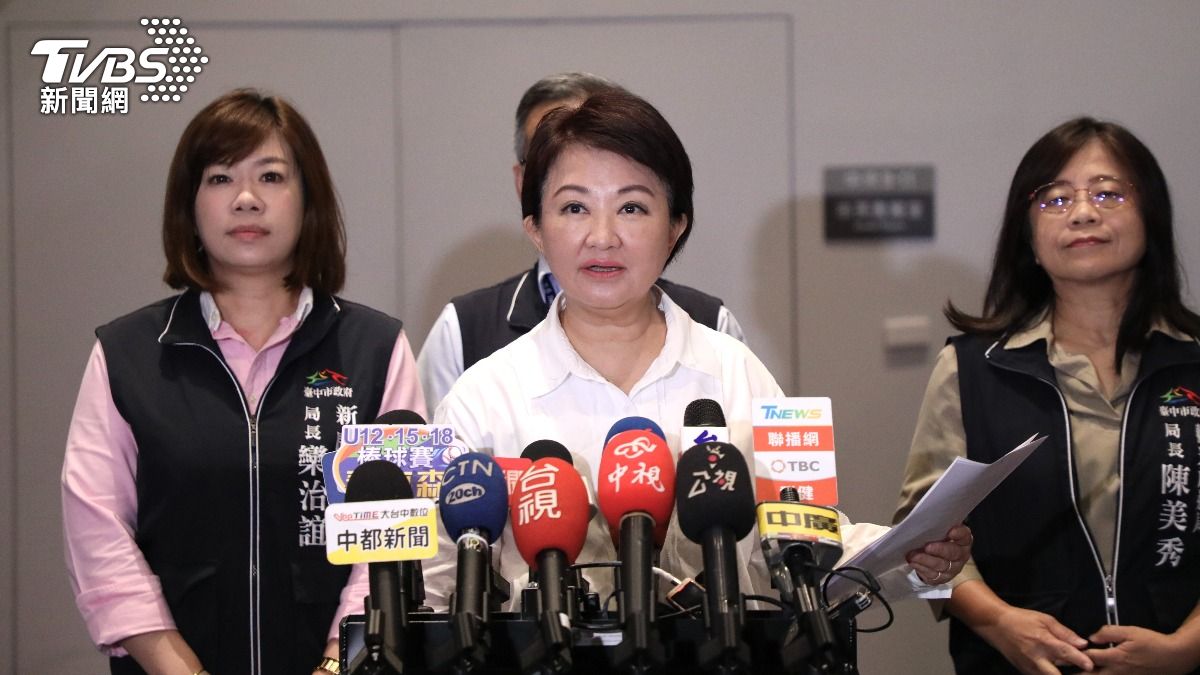
TAIPEI (TVBS News) — Taichung Mayor Lu Shiow-yen (盧秀燕) from Taiwan's main opposition party voiced support Thursday (July 17) for President Lai Ching-te's (賴清德) planned diplomatic mission to Central and South America next month. The mayor stressed the necessity of standing behind the president's international outreach efforts regardless of domestic political differences during an official reception for Mieko Yoshimura, governor of Japan's Yamagata Prefecture, at Taichung City Hall. The bipartisan gesture comes amid Taiwan's ongoing efforts to maintain its limited formal diplomatic relationships in an increasingly challenging international environment.
During the event, Mayor Lu specifically emphasized the importance of President Lai's scheduled transit stops in the United States, traditionally viewed as symbolic demonstrations of American support for Taiwan. She noted that despite policy disagreements on certain issues, the president's diplomatic missions warrant unified backing as he represents Taiwan abroad. The central Taiwan city, home to 2.8 million residents, was simultaneously grappling with a major infrastructure failure. Approximately 158,000 households across ten districts faced an unexpected 29-hour water outage that began at 7 a.m. Thursday (July 17), creating significant disruption to daily life.
The mayor expressed profound concern regarding the unplanned water service disruption, framing the issue within a broader context of national security and resilience. Lu argued that while military preparedness receives significant attention, the consistent provision of essential utilities like water and electricity represents an equally critical component of national resilience strategy. City officials have mobilized resources to provide affected residents with temporary water access through alternative means, according to the mayor, who also pressed the regional water authority to accelerate repair efforts to minimize disruption to the city's residents.
The municipal government has implemented targeted measures to assist vulnerable populations during the crisis, with Mayor Lu directing city personnel to increase neighborhood patrols. These efforts specifically focus on elderly residents living independently who might struggle to access emergency water supplies. Looking beyond the immediate situation, Lu advocated for systemic improvements to prevent similar large-scale utility disruptions in the future. She emphasized that reliable infrastructure forms a cornerstone of genuine national resilience and security in Taiwan's complex geopolitical environment. ◼