







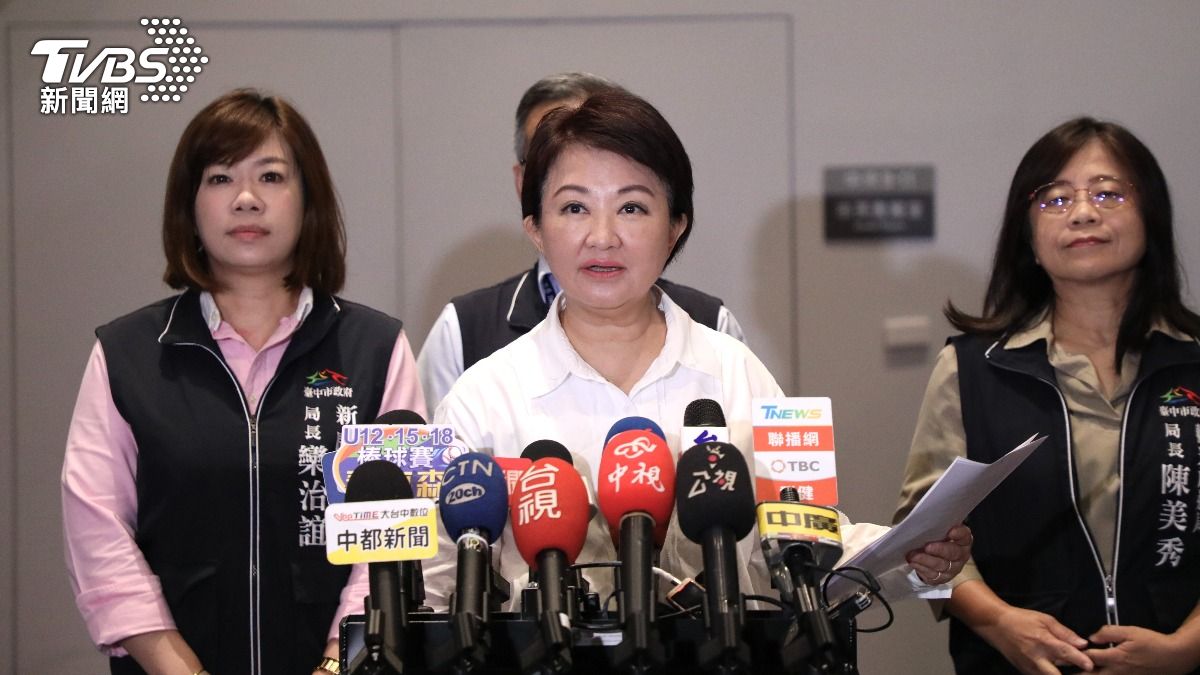
TAIPEI (TVBS News) — Taichung Mayor Lu Shiow-yen (盧秀燕), leader of Taiwan's second-largest city and a key industrial hub, warned on Wednesday (July 16) that a triple threat of tariffs, unfavorable exchange rates, and energy instability is creating a perfect storm for Taiwan's export-driven economy. The mayor's urgent call for government intervention came just days after U.S. President Donald Trump signed an executive order extending Taiwan's tariff grace period until August 1, leaving Taiwanese manufacturers in limbo without clarity on what reciprocal tariff rates might ultimately be imposed on the island's exports.
Speaking to reporters in Taichung, Mayor Lu emphasized that Taiwan's economic model remains fundamentally export-dependent, making it vulnerable to the challenges of trade barriers, currency fluctuations, and energy constraints. She predicted devastating consequences for the island's manufacturing sector if U.S. tariffs surpass the 10% threshold. The mayor identified the New Taiwan dollar's recent appreciation from NT$32 to NT$29 against the U.S. dollar as an even more pressing concern than potential tariff increases.
To mitigate these economic threats, Mayor Lu proposed that Taiwan's central bank should intervene to limit currency appreciation to no more than 5% to shield export-oriented businesses. The mayor, a member of the opposition Kuomintang party, also highlighted energy security as the third critical vulnerability facing Taiwan's industrial sector. She criticized the ruling Democratic Progressive Party's (DPP, 民進黨) energy policies for creating dangerous imbalances that could lead to insufficient power supplies, undermining industrial investment.
The mayor directed particular criticism at Taiwan Power Company (Taipower, 台電), the state-owned electricity monopoly, for what she characterized as excessive dependence on coal-fired generation and for unilaterally reactivating previously decommissioned coal-burning units without properly consulting affected local governments. Lu called on President Lai Ching-te's (賴清德) administration to shift its focus from political matters to addressing the mounting economic challenges facing the island's industries. "The central government should position itself as a problem solver for businesses, not create additional obstacles," she asserted, urging immediate action on all three fronts. ◼
(At time of reporting, US$1 equals approximately NT$29.3)