









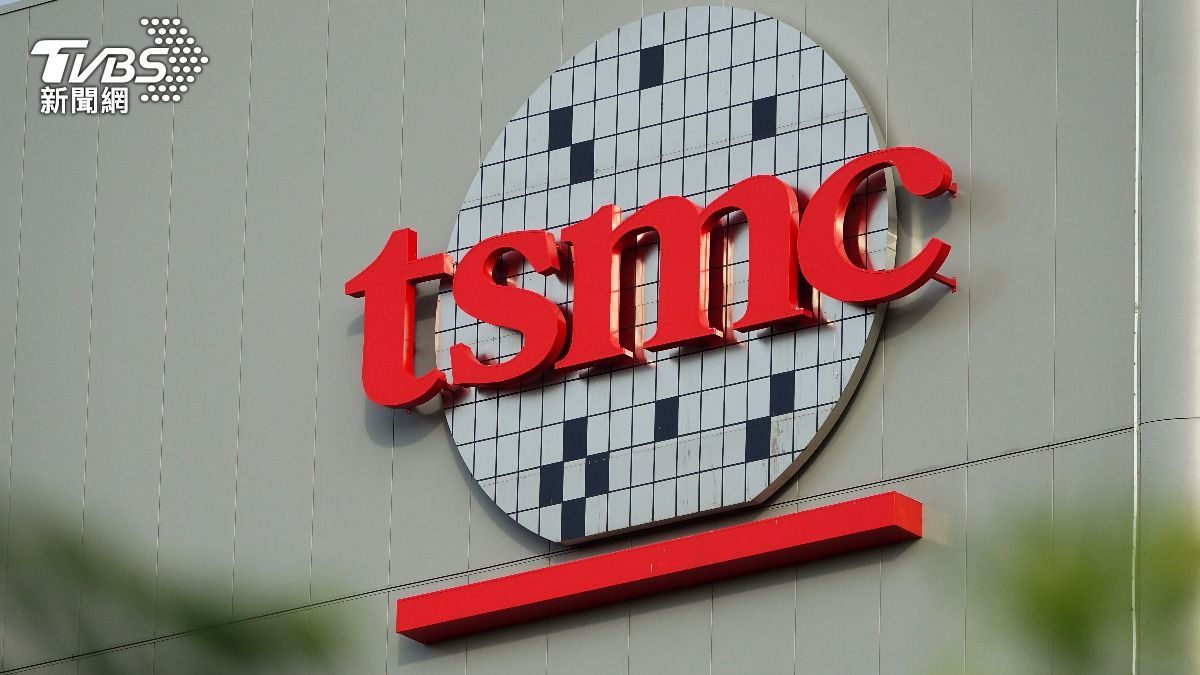
TAIPEI (TVBS News) — Taiwan Semiconductor Manufacturing Company (台積電), the world's leading contract chipmaker and Taiwan's most valuable company, appears poised to report an extraordinary 52 percent profit increase for this year's second quarter when it holds its financial briefing Thursday (July 17). This remarkable achievement comes even as the semiconductor giant navigates potential headwinds from proposed American tariffs and an appreciating New Taiwan dollar that threatens export competitiveness. Industry analysts anticipate the company will provide detailed performance metrics and offer guidance for the third quarter during the upcoming presentation.
Market intelligence from LSEG SmartEstimate suggests the semiconductor manufacturer will report net earnings of NT$377.4 billion (approximately US$12.9 billion) for the period ending June 30. This would establish a new corporate record that exceeds its previous peak of NT$374.68 billion (approximately US$12.8 billion). The chipmaking giant has already disclosed a robust 38.6 percent year-over-year revenue expansion for the second quarter, continuing an impressive growth trajectory that now extends across six consecutive quarters.
The artificial intelligence sector's explosive growth continues to fuel semiconductor demand, according to Mario Morales, a vice president at technology research firm International Data Corporation. In comments to Reuters, Morales projected that companies specializing in semiconductor manufacturing could see industry-wide revenue increases of 17 to 18 percent this year. He specifically highlighted TSMC's advantageous position, suggesting the Taiwanese chipmaker might achieve revenue growth approaching 30 percent due to its dominant role in producing advanced processors for AI applications.
Despite these positive indicators, the company expressed concerns last month about potential indirect consequences of American trade policies on product pricing and market demand. The semiconductor manufacturer's caution follows former President Donald Trump's early April decision to include Taiwan on a proposed "reciprocal tariffs" list with a substantial 32 percent rate. This policy stance emerged shortly after TSMC had publicly committed to increasing its American investment by $100 billion (approximately NT$2.93 trillion), highlighting the complex geopolitical environment in which the company operates.
(At time of reporting, US$1 equals approximately NT$29.339)