










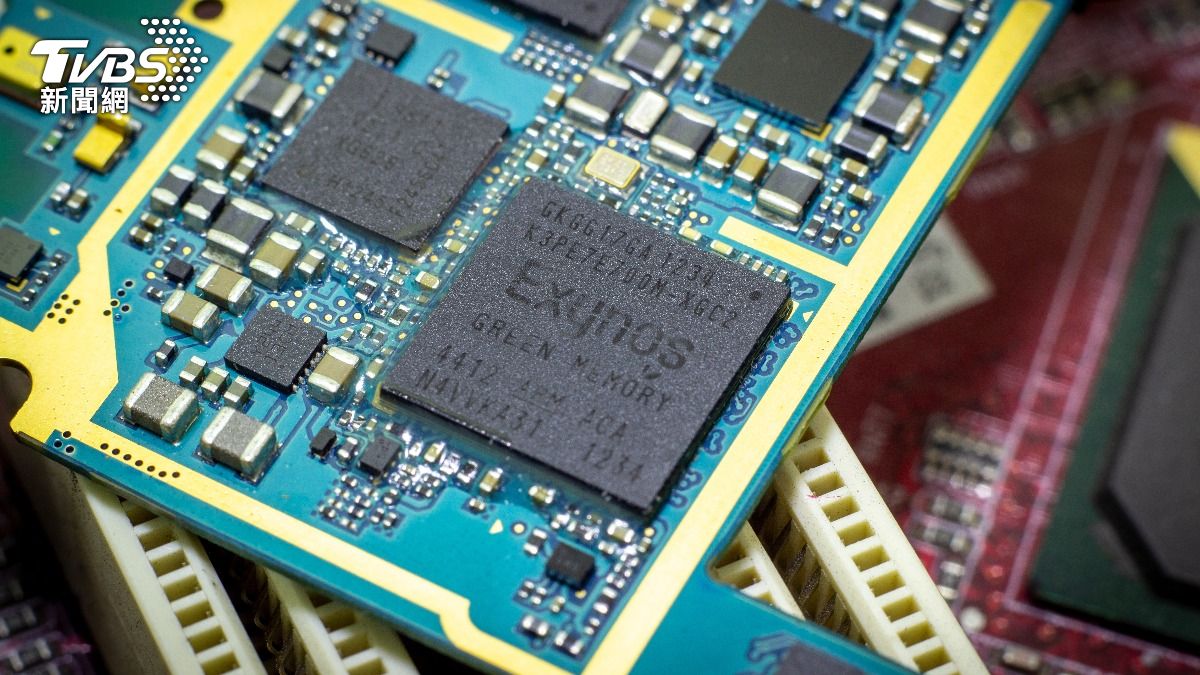
TAIPEI (TVBS News) — The U.S. government's reciprocal tariff policy, enforced on April 13, has prompted global supply chains to reorganize their strategies. The semiconductor and electronic components industries have been particularly affected, forced to adapt to a climate of uncertainty.
C Sun Manufacturing Ltd. (志聖工業) General Manager Liang You-wen (梁又文) notes that downstream electronic component firms are rushing to ship products to the U.S. during a 90-day exemption period. Liang explains that most of their clients have established factories in Southeast Asian countries like Thailand, Vietnam, Singapore, and Malaysia. While the U.S. tariff policy has minimal direct impact, it affects their psychological outlook due to the ongoing instability under Trump's administration.
Digitimes Deputy General Manager Huang Yi-ping (黃逸平) highlights the U.S. Commerce Secretary's plans to impose new tariffs on laptops, cellphones, and chips. Huang explains that the U.S. aims to rejuvenate its supply chains by imposing tariffs on imported and related components. Meanwhile, Chung-Hua Institution for Economic Research (中經院) Associate Research Fellow Chen Hsin-hui (陳馨蕙) observes that since 2018, sectors have been diversifying their production to mitigate geopolitical risks and reduce reliance on specific customers like Apple or HP.
Morgan Stanley's report reveals that under the reciprocal tariffs, the information technology hardware sector could face costs of up to US$50 billion, with Apple's supply chain being particularly vulnerable. Chen emphasized the need for businesses to reassess global production capacities, considering variables such as revenue and labor while grappling with tariffs, which complicate adjusting production capacity immediately.