










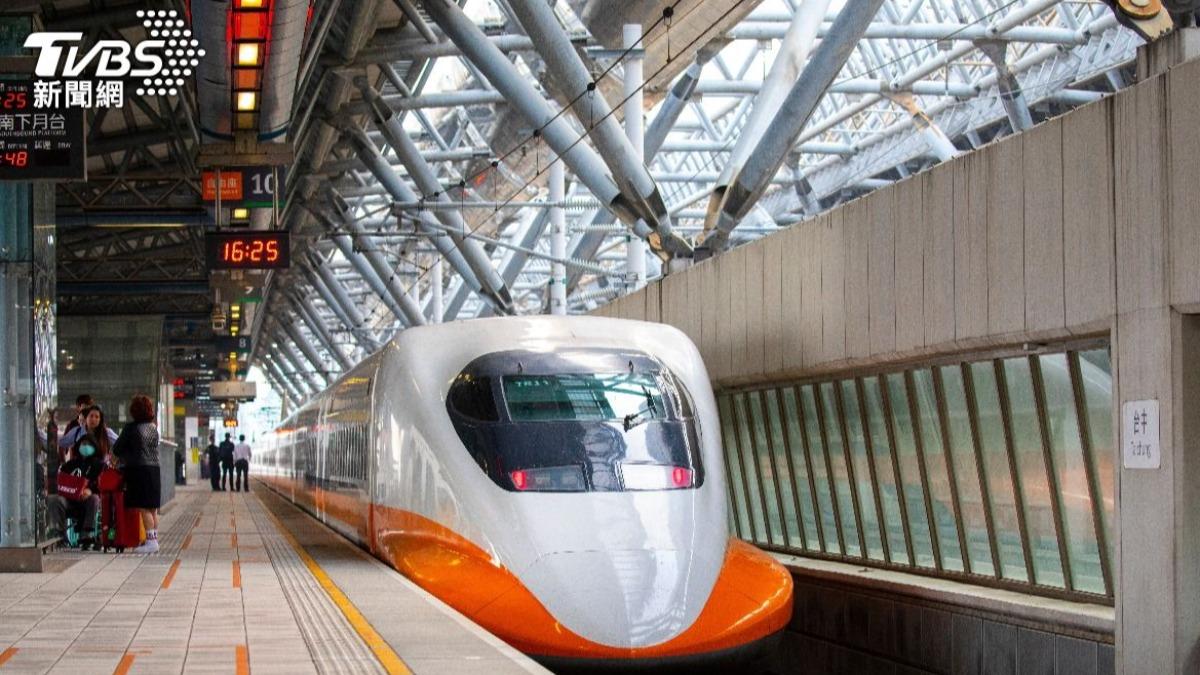
TAIPEI (TVBS News) — Taiwan's Ministry of Transportation and Communications (MOTC, 交通部) rejected potential fare increases for the Taiwan High Speed Rail (THSR, 台灣高鐵) on Monday (April 7), pointing to robust growth in both ridership and revenue streams. The announcement came during a Legislative Yuan's Transportation Committee (立法院交通委員會) session, where MOTC Political Deputy Minister Wu Sheng-yuan (伍勝園) stated that current economic conditions did not justify higher ticket prices. Wu cautioned, however, that escalating operational costs might necessitate reconsideration within the next two years.
During the session, Legislator Lee Kun-tse (李昆澤) detailed the annual pricing review process that occurs each April, when the MOTC establishes a basic rate tied to Taiwan's consumer price index. This rate forms the foundation for potential fare adjustments that, once approved by the rail company's board, are submitted to the Legislative Yuan as a formal record. According to Lee, the 2025 basic rate remains unchanged at NT$4.551 (about US$0.137), which could have permitted a fare increase of up to NT$230 (approximately US$6.93) for the popular Taipei-Kaohsiung route. The legislator emphasized that price adjustments aren't automatic but depend on operational factors, market conditions, and competitive pressures, concluding that maintaining current fares aligns with present economic realities.
The decision comes amid impressive growth metrics for Taiwan's bullet train service. Passenger volume surged to 78.25 million in 2024, representing a substantial increase from the 67.41 million recorded in 2019. Daily ridership has similarly climbed, rising from an average of 184,000 passengers in 2019 to more than 224,000 by February 2025. Deputy Minister Wu pointed to record-breaking numbers during the recent Tomb-Sweeping Festival, when the system transported an unprecedented 320,000 passengers in a single day. These robust figures make fare increases unnecessary at present, according to authorities, while acknowledging that rising operational expenses could trigger pricing reviews in the coming years.