










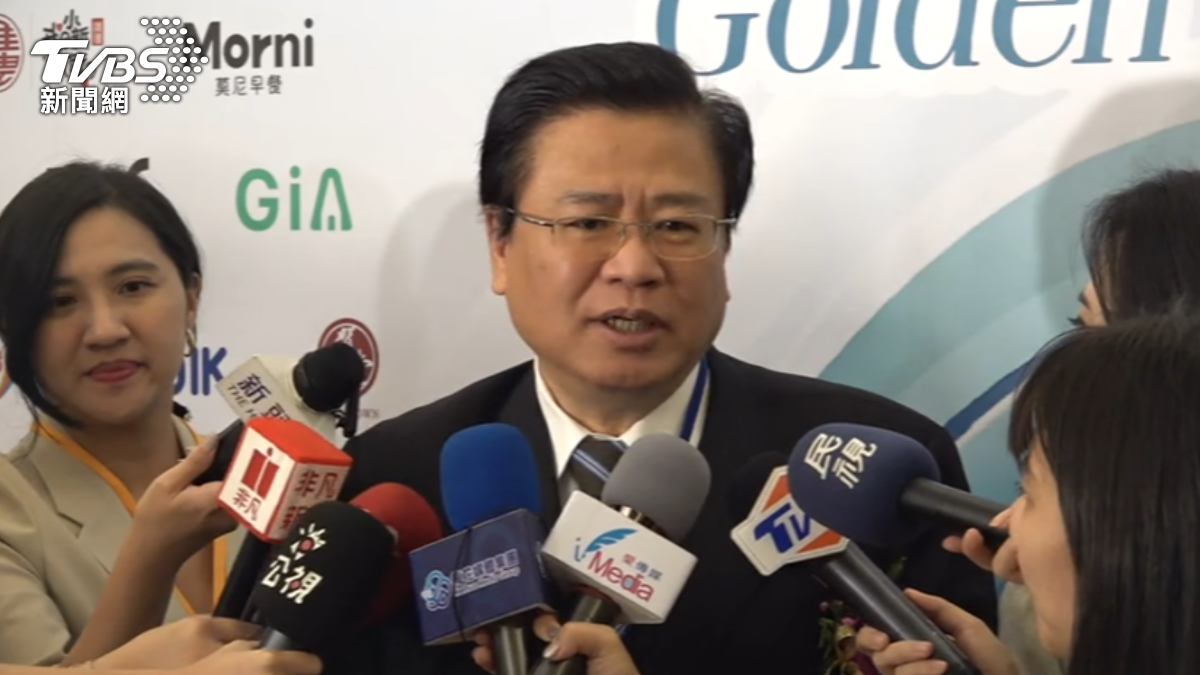
TAIPEI (TVBS News) — Chairman Paul Hsu (許舒博) of the General Chamber of Commerce of the Republic of China (全國商總, ROCCOC) on Wednesday (Sept. 4) urged the government to consider the unexpected consequences of a minimum wage increase: job cuts and inflation.
The Ministry of Labor (MOL, 勞動部) confirmed Wednesday a monthly wage increase of NT$1,120, bringing it to NT$28,590, a 4.08% rise. The hourly wage also rose by NT$7 to NT$190. This marks the ninth consecutive year of wage increases.
Hsu acknowledged that moderate wage hikes could improve the living standards of marginal workers. However, he argued that significant increases might exacerbate challenges for weaker traditional industries. He emphasized, "Minimum wage hikes are not an effective solution to low wages."
Taiwan's GDP growth has largely benefited from the ICT and optoelectronic industries, driven by the AI demand surge. However, traditional industries with less market competitiveness face different realities.
The ROCCOC chairman reiterated that the service industry is a key pillar of Taiwan's economy, but post-pandemic labor shortages have severely affected service quality and industry development. Hsu urged the government to promptly address labor shortages in the service sector.