AI PC 必須證明自己的實用價值
- 作者:Richard Brown
- 發佈時間:2026.09.28 14:10
- 最後更新時間:2026.09.28 14:10
- 作者:Richard Brown
- 發佈時間:2026.09.28 14:10
- 最後更新時間:2026.09.28 14:10
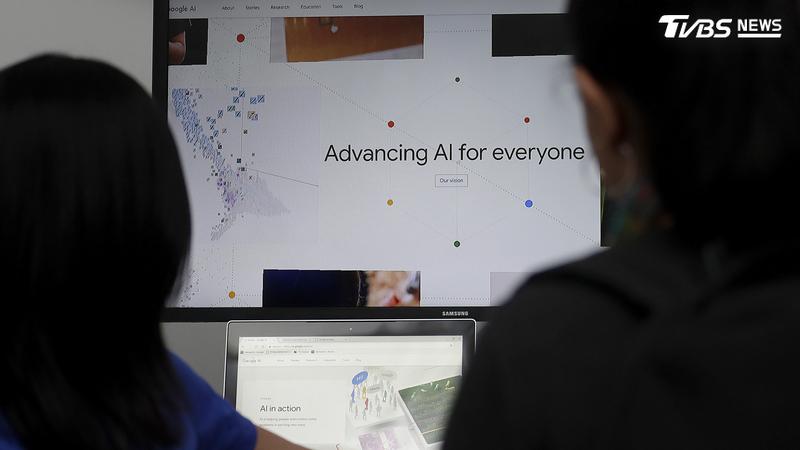
對AI PC的下一個考驗是裝置端 AI 能否真正為使用者節省時間。(圖/達志影像美聯社)
歷經多年的硬體宣傳,下一個考驗是裝置端 AI 能否真正為使用者節省時間。
準備一份客戶提案,往往得翻找過去的簡報、核對價目表、尋找合適的產品圖片,再將所有內容整合成文件。想像一下,只要把需求交給電腦,它就能根據公司核准使用的檔案擬出初稿、標示缺漏資訊,並把最後的決定留給你。這正是推動 AI PC 邁向下一階段的願景。
產業界多年來持續為此布局。在 COMPUTEX 2024,英特爾預先展示 Lunar Lake,AMD 則推出 Ryzen AI 300 處理器。微軟推出 Copilot+ PC,也帶動各大品牌採用高通處理器的機種進入市場。宏碁、華碩、戴爾、惠普、聯想等業者,紛紛將 AI 列為筆電的核心賣點。
這些產品強化了裝置端 AI 的硬體基礎。如今的挑戰,是將運算能力轉化為實用的應用程式,讓消費者有理由換掉仍能正常使用的電腦。
AI PC 透過不同處理器分工。中央處理器(CPU)負責管理應用程式,圖形處理器(GPU)處理圖形與高負載的平行運算,神經網路處理器(NPU)則有效率地加速其支援的 AI 任務。CPU 與 GPU 也能執行 AI 模型,但 NPU 能讓筆電在電池續航與散熱限制下,更有效率地持續處理 AI 工作。
AI 模型通常先在資料中心完成訓練,再經過最佳化,以符合個人電腦的記憶體容量與運算能力。電腦利用這些模型理解指令、辨識影像或生成文字。在裝置上處理支援的任務,可以減少延遲、讓部分功能在離線狀態下運作,並將敏感檔案保留在裝置內。
部分應用已超越會議摘要。AMD 強調能夠偵測場景、分離畫面主體的影片剪輯工具,減少過去需要耗費大量心力的手動編輯工作。英特爾則推廣裝置端影像生成、音樂創作與程式開發輔助。對小型企業而言,這些功能有望降低製作廣告、教育訓練影片或產品展示內容所需的時間與費用。
代理式軟體則進一步具備規劃並執行一連串操作的能力。以前述客戶提案為例,AI 助理需要獲得授權,才能存取檔案、擷取價格資訊,以及操作文書或簡報軟體。這除了需要運算能力,也仰賴與應用程式之間可靠的整合。部分步驟可在裝置上完成,其他步驟則可能使用雲端服務。
輝達在 COMPUTEX 2026 期間發表的 RTX Spark,讓市場競爭更加激烈。這款與聯發科共同開發的平台,整合 Arm CPU、Blackwell 繪圖技術,以及最高 128GB、由處理器共用的統一記憶體。它旨在讓 Windows 筆電與小型桌上型電腦執行大型 AI 模型,同時支援高運算需求的創作應用與遊戲。對輝達而言,這使其在 PC 市場的角色從供應繪圖處理器進一步擴大;對聯發科而言,則開啟了進軍高階 Windows 電腦的機會。
資安將影響企業的採用意願。隱藏在文件或網頁中的惡意指令,可能試圖誘導 AI 代理偏離原本任務,造成資訊外洩或未經授權的操作。針對這種稱為「提示注入」的風險,微軟採取的措施包括獨立的代理帳戶、受限的存取權限,以及隔離的工作環境。企業也需要保留代理的操作紀錄,並要求傳送機密檔案或授權付款等行為必須經過核准。
成本上升,讓業者更難說服消費者升級。Gartner 在今年 2 月預測,記憶體價格上漲,將使 AI PC 市場滲透率達到 50% 的時間延後至 2028 年。即使達成這項里程碑,也無法充分反映消費者實際使用 AI 功能的頻率。
下一階段,AI PC 必須展現經濟價值。消費者需要能讓創作、整理資訊與處理日常事務更輕鬆的工具;企業則需要可衡量的時間效益,同時維持對自身資訊的掌控。晶片業者、PC 品牌與軟體開發商,必須整合各自的能力,打造能實現這些效益的應用。它們能否成功,將決定 AI 是成為說服消費者升級的有力理由,還是僅僅成為另一項標準配備。
AI PCs Need to Prove What They Can Do
After years of hardware promotion, the next test is whether local AI can save users meaningful time.
Preparing a customer proposal can mean hunting through old presentations, checking a price list, finding suitable product images, and assembling everything into a document. Imagine giving a computer the brief and having it prepare a first draft from approved company files, flag missing information, and leave the final decisions to you. That is the promise driving the next stage of AI PCs.
The industry has been laying the groundwork for years. At Computex 2024, Intel previewed Lunar Lake, while AMD introduced Ryzen AI 300 processors. Microsoft’s Copilot+ PC launch brought Qualcomm-powered machines from major brands into the market. Acer, Asus, Dell, HP, Lenovo, and others made AI a central part of their laptop pitches.
Those launches strengthened the hardware foundation for local AI. The challenge now is to turn that capability into applications that justify replacing a functioning computer.
An AI PC divides work among different processors. The central processing unit, or CPU, manages applications, while the graphics processing unit, or GPU, handles graphics and demanding parallel calculations. A neural processing unit, or NPU, accelerates supported AI tasks efficiently. CPUs and GPUs can also run AI models, but an NPU can make sustained AI processing more practical within a notebook’s battery and heat limits.
Models are generally trained in data centers, then optimized to fit a PC’s memory and processing capacity. The computer uses them to interpret instructions, recognize images, or generate text. Processing supported tasks locally can reduce delays, allow functions to work offline, and keep sensitive files on the device.
Some applications already extend beyond meeting summaries. AMD highlights video-editing tools that detect scenes and isolate subjects, reducing work that previously required painstaking manual editing. Intel promotes local image generation, music creation, and coding assistance. For a small business, these capabilities could reduce the time and expense involved in producing advertisements, training videos, or product demonstrations.
Agentic software adds the ability to plan and carry out a sequence of actions. To prepare the customer proposal, an assistant would need permission to retrieve files, extract prices, and operate document or presentation software. That requires reliable integration with applications as well as processing power. Some steps may run locally, while others use cloud services.
Nvidia’s RTX Spark, unveiled during Computex 2026, raises the competitive stakes. Developed with MediaTek, it combines an Arm CPU, Blackwell graphics, and up to 128GB of unified memory shared by the processors. The platform is designed to run large AI models on Windows laptops and compact desktops while supporting demanding creative applications and games. For Nvidia, it expands the company’s role in PCs beyond supplying graphics processors; for MediaTek, it opens a route into premium Windows computers.
Security will influence business adoption. Hostile instructions hidden in a document or webpage can attempt to redirect an AI agent, potentially causing information leaks or unauthorized actions. Microsoft’s approach to this risk, known as prompt injection, includes separate agent accounts, restricted permissions, and isolated workspaces. Businesses will also need records of what agents do and approval requirements for actions such as sending confidential files or authorizing payments.
Rising costs make the case for upgrading harder to sell. In February, Gartner forecast that higher memory prices would delay AI PCs reaching 50% market penetration until 2028. Even reaching that milestone would reveal little about how frequently buyers use AI features.
The next phase must demonstrate economic value. Consumers need tools that make it easier to create, organize, and complete everyday tasks; businesses need measurable time savings without losing control of their information. Chipmakers, PC brands, and software developers must turn their combined capabilities into applications that deliver those benefits. Their success will determine whether AI gives buyers a compelling reason to upgrade or simply becomes another standard specification.