










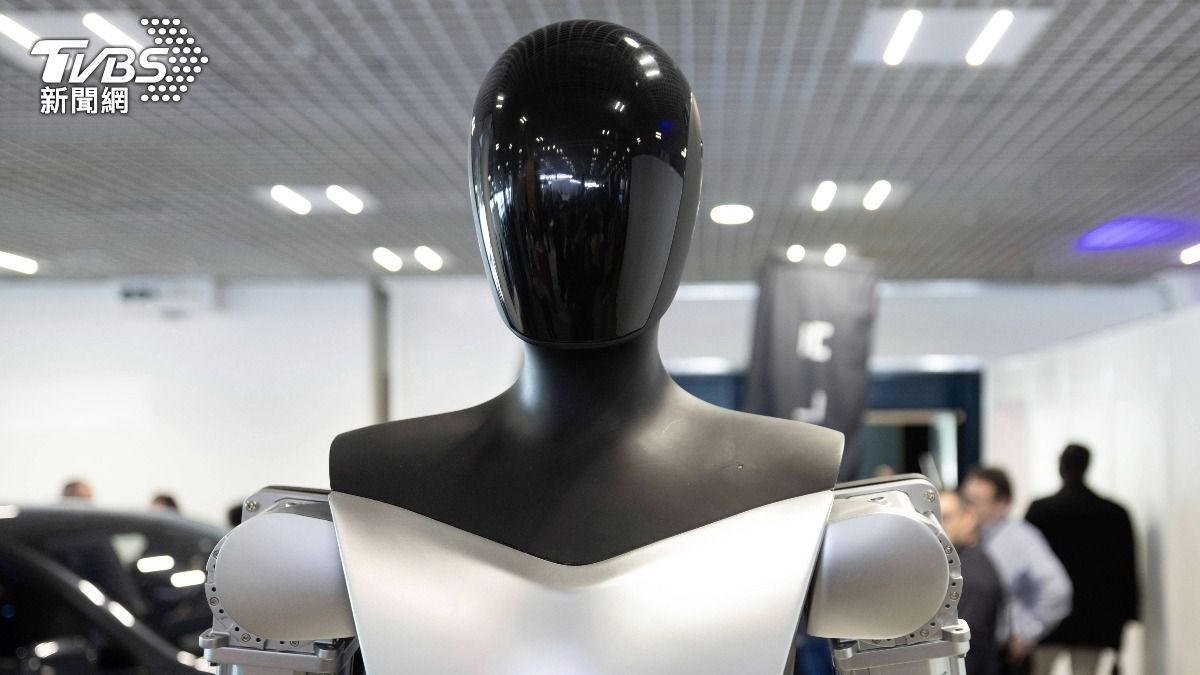
TAIPEI (TVBS News) — Taiwan's southern city of Tainan will transform into a major hub for robot production, Economic Minister J.W. Kuo (郭智輝) announced Thursday (May 29), unveiling plans for an expansive 300-hectare industrial park. During an appearance on the influential Hsiao Chun Taiwan Plus (筱君台灣PLUS) television program, Kuo projected substantial growth in artificial intelligence and humanoid robots through 2030, underscoring their revolutionary impact on both manufacturing and service sectors.
The Ministry of Economic Affairs (MOEA, 經濟部), Taiwan's government agency overseeing industrial development, cultivates artificial intelligence expertise through multiple institutional partnerships. Minister Kuo illustrated AI's transformative potential by citing how it slashes automotive component mold design time to merely two days, offering crucial support for students and emerging engineers. For recent graduates, the ministry has crafted an intensive development program combining four months of specialized study with a four-month corporate internship, providing monthly stipends of NT$30,000 (approximately US$1,000) that prospective employers might ultimately subsidize.
Students without relevant academic backgrounds will participate in an extended eight-month government-funded training program before transitioning to industry placements. Foreign participants will benefit from additional housing and subsistence allowances. The initiative's inaugural cohort of 160 students will begin instruction later this year at four prestigious institutions: the National Taipei University of Technology (台北科技大學), National Taipei University (台北大學), National Cheng Kung University (成功大學) in Tainan, and National Formosa University (虎尾科技大學) in central Taiwan's Yunlin County.
Upon program completion, the Ministry of Economic Affairs will leverage its industry connections to secure appropriate positions for graduates, creating a seamless transition from training to employment in Taiwan's rapidly expanding AI and robotics sectors. This comprehensive approach aims to address talent shortages while positioning Taiwan as a competitive force in next-generation technology development. ◼