









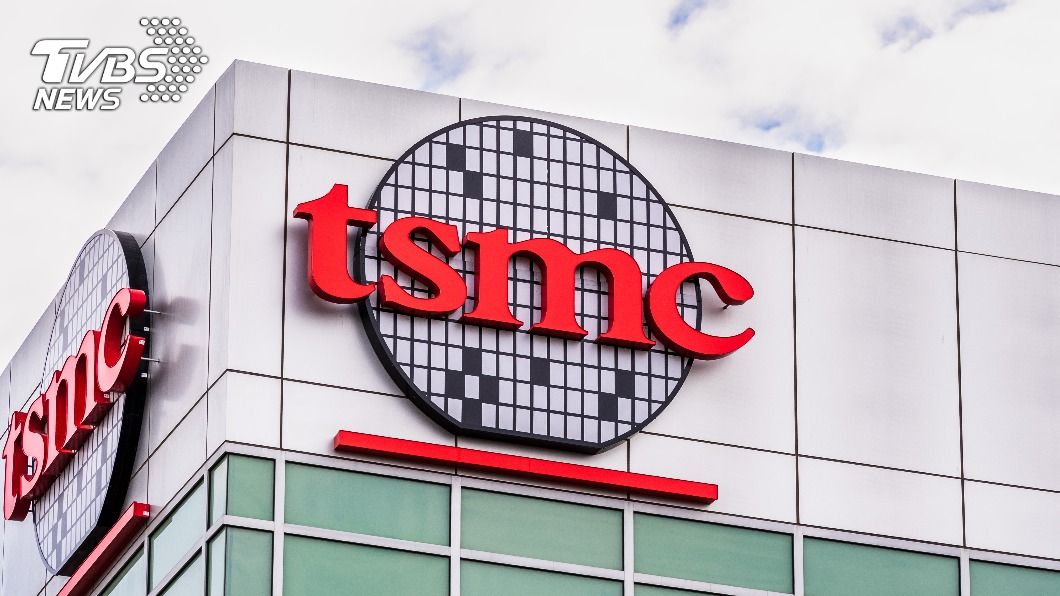
TAIPEI (TVBS News) — Taiwan's semiconductor ecosystem will remain largely intact for nearly a decade despite overseas expansion, according to Minister of Economic Affairs J.W. Kuo (郭智輝), who assured legisators Tuesday (April 29) that Taiwan Semiconductor Manufacturing Company (TSMC, 台積電), the world's largest contract chipmaker, lacks sufficient production capacity to pull its supply chain to American shores. Kuo emphasized that any significant supply chain migration would require completion of all six planned U.S. fabrication facilities, a process that could stretch seven to eight years.
The minister's statements came in response to mounting concerns from members of the Legislative Yuan (Taiwan's parliament) who fear that TSMC's American expansion could trigger an exodus of Taiwan's vital semiconductor supply chain companies. Kuo sought to allay these worries by highlighting the economic realities of the situation. "Current production levels simply cannot justify such a dramatic shift," he explained, adding that supply chain companies would only consider relocating when TSMC's American facilities reach full operational capacity.
The parliamentary session occurred against a backdrop of escalating trade tensions, as legisators pressed for answers about Taiwan's response to U.S. President Donald Trump's reciprocal tariff measures. These tariffs, initially announced April 2 and temporarily reduced to 10% for a 90-day period beginning April 9, have created uncertainty across Taiwan's export-dependent economy. Kuo acknowledged that printed circuit board (PCB) manufacturers and information and communications technology (ICT) companies might eventually need to adjust their operations in response to prolonged trade barriers.
Premier Cho Jung-tai (卓榮泰), head of Taiwan's cabinet, acknowledged that preliminary discussions had occurred with chemical suppliers regarding potential U.S. expansion to support TSMC's growing American footprint. While confirming these conversations, Cho emphasized that substantial increases in TSMC's overseas production capacity would be necessary before such supplier relocations would make economic sense. "These moves are not imminent," Cho assured legisators, while noting that his administration has already begun preparing for various long-term scenarios. ★