










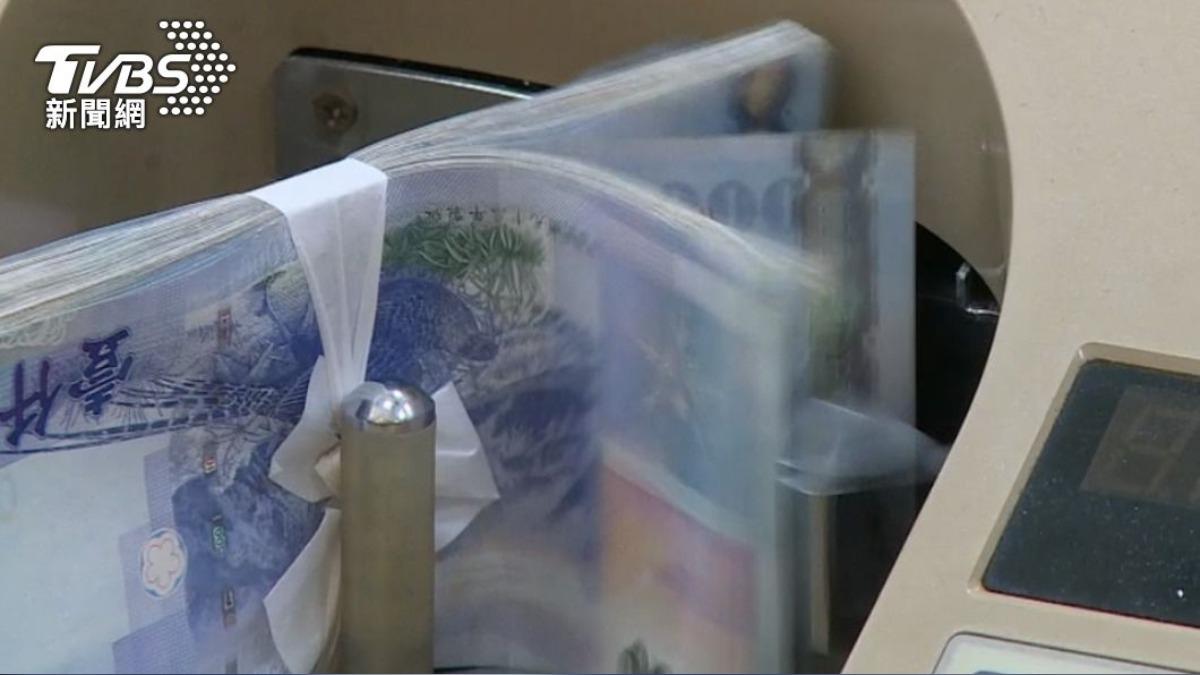
TAIPEI (TVBS News) — Taiwan's Bureau of Labor Funds (BLF, 勞動基金運用局), the government entity managing the nation's labor pension system, disclosed troubling financial results on Tuesday (April 1) amid increasing global market volatility. The fund's operational scale reached NT$7.1898 trillion (around US$216 billion) by February's end, but officials reported that market turbulence triggered a significant NT$1.2 billion (around US$36.1 million) loss during February alone, raising concerns about retirement security for Taiwan's workforce.
The bureau identified multiple contributing factors behind the market downturn, pointing to uncertainties in U.S. tariff policies, escalating geopolitical tensions, and deteriorating American consumer confidence as primary catalysts. These destabilizing elements, coinciding with a pronounced correction in technology sector valuations, created a ripple effect across both American and Taiwanese equity markets. Financial analysts at the bureau noted that February's market environment was particularly volatile, with investor anxiety centered around unpredictable U.S. trade policies and questions surrounding the economic impact of artificial intelligence development.
The bureau's Deputy Director-General Liu Li-ju (劉麗茹) painted an even bleaker picture for March, revealing intensified market instability that saw Taiwanese equities plummet by more than 10%. Liu emphasized that parallel declines in international technology stocks had created additional headwinds for the fund's portfolio. The Nasdaq and Philadelphia Semiconductor Index experienced drops exceeding 10%, which quickly affected the Labor Fund's performance, according Liu, characterizing these developments as temporary setbacks that would influence near-term investment returns.
Despite the current market challenges, bureau officials sought to reassure stakeholders by highlighting the fund's impressive historical performance metrics. Financial data presented by the bureau showed that over the preceding ten-year period, the Labor Fund maintained a substantial average yield of 6.88%. The National Pension Insurance Fund (國保基金), another major retirement vehicle managed under the bureau's supervision, performed even better with an average yield of 7.40% during the same decade-long timeframe.