










TAIPEI (TVBS News) — Taiwan's justice officials are considering new legislation that would explicitly ban speech promoting military action against the island, Deputy Justice Minister Hsu Hsi-hsiang (徐錫祥) announced Wednesday (March 26). The Ministry of Justice (MOJ, 法務部) plans to conduct comprehensive public consultations before finalizing any proposal for a special law prohibiting advocacy of war or forced unification. The initiative comes amid growing concerns about cross-strait tensions and information warfare targeting Taiwan's democracy. Officials emphasized their commitment to striking a delicate balance between protecting national security interests and preserving the democratic values of free expression that distinguish Taiwan from authoritarian systems.
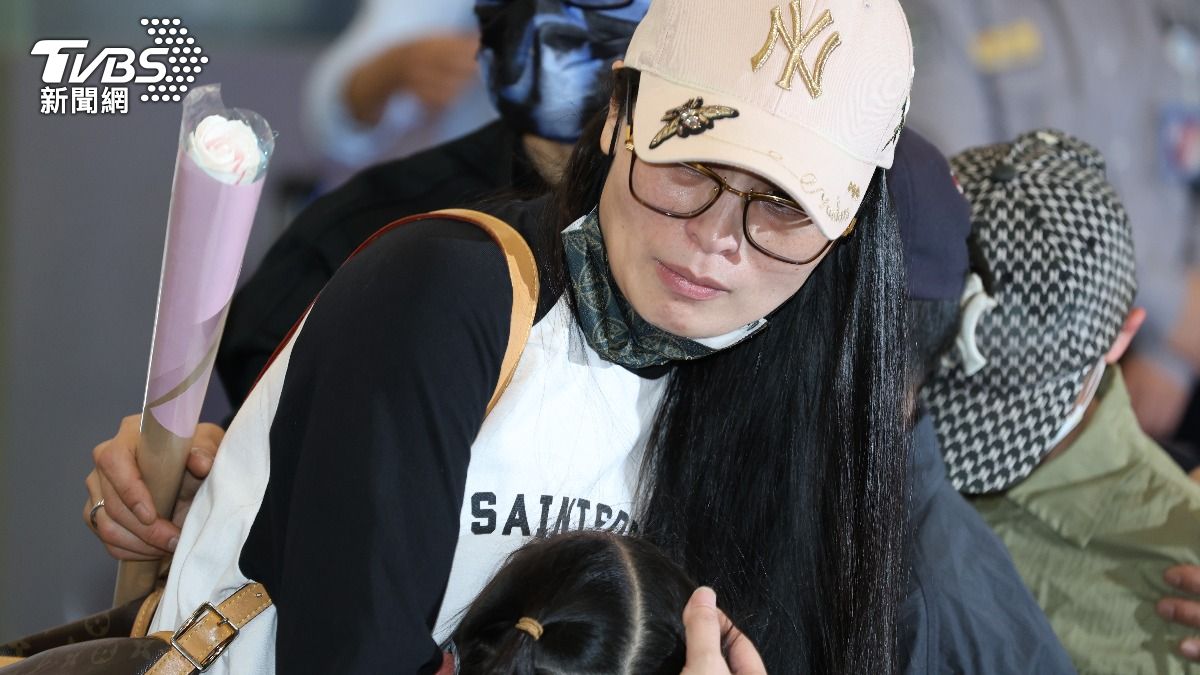
The legislative deliberations follow the high-profile deportation of Chinese social media personality Liu Zhenya (劉振亞), whose residency permit was revoked by the National Immigration Agency (NIA, 移民署) after she posted content advocating for China's military takeover of Taiwan. Liu's forced departure from Taipei Songshan Airport (台北松山機場) on Tuesday evening has intensified public discourse about how democratic Taiwan should respond to speech that appears to endorse hostile actions against its sovereignty. The case has become a flashpoint in Taiwan's ongoing efforts to defend against what officials describe as information operations designed to undermine social cohesion.
Speaking to reporters before his appearance at the Judiciary and Organic Laws Committee (立法院司法及法制委員會), Deputy Justice Minister Hsu outlined the government's approach to regulating speech that advocates for military action against Taiwan. Hsu acknowledged the complex legal and ethical questions surrounding any potential restrictions on expression, even when that expression appears to endorse hostile actions against the state. The deputy minister's comments reflected the administration's awareness that any new legislation would face intense scrutiny from civil liberties advocates and international observers monitoring Taiwan's democratic credentials.
The current legal framework addressing pro-war speech consists of provisions scattered throughout Taiwan's legal code, creating what Hsu described as a fragmented approach to a serious national security concern. The deputy minister noted that legal scholars have increasingly advocated for a consolidated special law that would clearly define prohibited speech while incorporating appropriate safeguards. The ministry has yet to determine whether to pursue an entirely new statute or amend existing criminal code provisions, with that decision contingent on the upcoming consultation process. Liu's legal challenge to prevent her deportation was recently rejected by the Taipei High Administrative Court (台北高等行政法院), which determined there was sufficient evidence that her statements constituted promotion of war against Taiwan.