









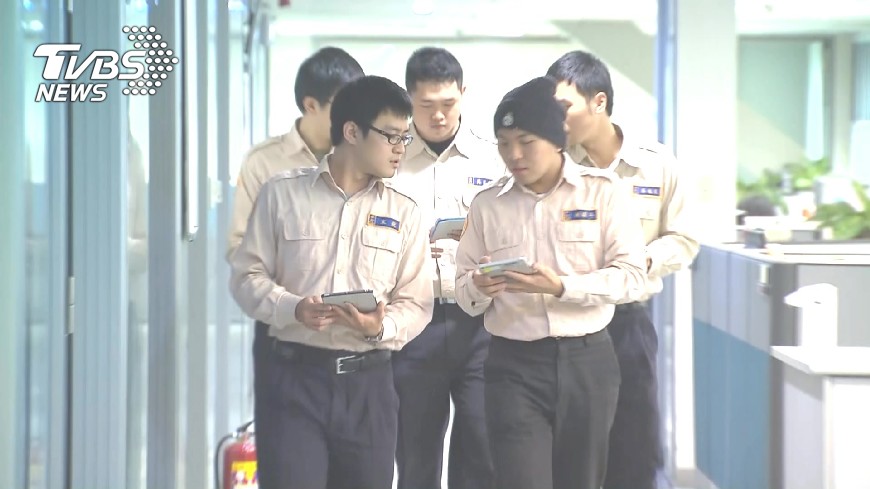
TAIPEI (TVBS News) — Taiwan's defense posture took a significant turn as the Ministry of the Interior (MOI, 內政部) and the Ministry of National Defense (MDN, 國防部) jointly announced sweeping changes to substitute military service mobilization rules on March 17. The revisions substantially expand both the scope and duration of potential service requirements, marking what analysts describe as a notable shift in Taiwan's defense readiness strategy amid growing regional tensions.
Under the new regulations, substitute service members face potentially longer and more frequent call-ups with the elimination of the previous 60-day annual cap on service days. This policy transformation represents a clear strategic pivot under President Lai Ching-te's (賴清德) administration, which has consistently emphasized strengthening Taiwan's defense capabilities since taking office. The removal of these limitations provides military planners with greater flexibility in deploying these personnel resources during both training exercises and potential emergencies.
The government will put these new protocols to the test on Thursday (March 27) with its first practical exercise specifically designed to enhance the capabilities of substitute service members. The drill will involve 120 active and reserve personnel who will participate in scenarios reflecting their expanded responsibilities. This exercise highlights Taiwan's multifaceted defense framework that integrates volunteer military service, conscription, reserve forces, and the substitute service program—a system that underwent significant adjustments during former President Tsai Ing-wen's (蔡英文) administration.
According to Ministry of Interior figures, Taiwan currently maintains a substantial force of over 270,000 reserve substitute service members, with more than 50,000 individuals participating in mobilization exercises last year. Officials had originally projected increasing this number to 72,000 participants in 2025, but recent budget constraints have forced them to scale back to the previous target of 50,000. In explaining the policy changes, ministry representatives distinguished between "necessary" mobilizations — addressing long-term challenges like climate change and international tensions — and "as needed" call-ups for emergencies or temporary situations requiring immediate response.
Taiwan People's Party (TPP, 民眾黨) Deputy Secretary-General Chang Chi-kai (張啓楷) raised practical concerns about the broader implications of extended service requirements. Chang highlighted the potential disruption to civilian livelihoods and the possible economic impact of removing workers from their regular employment for extended periods. "We need to balance security needs with economic stability," Chang noted, echoing concerns from business sectors about workforce predictability.
The ruling Democratic Progressive Party (DPP, 民進黨) legislators have rallied behind the changes, framing them as necessary adjustments to Taiwan's security posture. DPP Legislator Wang Ting-yu (王定宇), who serves on the Foreign Affairs and National Defense Committee, defended the revisions by emphasizing their dual-purpose nature. "These preparations aren't solely about military scenarios but encompass readiness for both natural and man-made disasters," Wang stated, underscoring the comprehensive approach to national resilience that extends beyond traditional defense considerations.