










TAIPEI (TVBS News) — A professor at the National Taiwan University's College of Public Health (台大公衛學院流病及預醫所) noted that only 37% to 54% of Taiwan's young adults aged 20 to 34 possess measles antibodies, predicting annual outbreaks for the next 3 years, as reported by United Daily News (聯合報) on Thursday (Jan. 16).
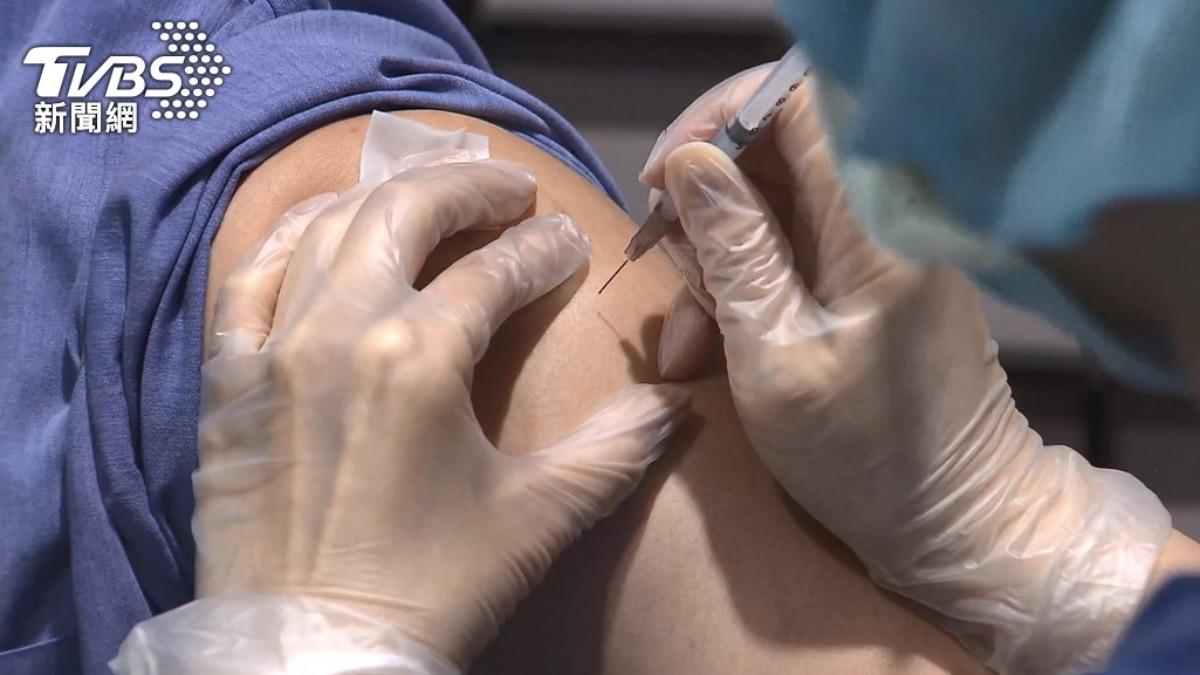
A measles outbreak at a central Taiwan hospital has sparked public concerns, prompting residents to rush for vaccinations. Tony Chen (陳秀熙) pointed out statistics showing the measles incidence rate among 20-34-year-olds increased from 2021 to 2024, with the current cluster affecting those aged 25-44. Chen attributed the previous decline in cases to COVID-19 border controls, warning that the risk of imported measles cases rises as borders reopen. He urged the government to enhance vaccine coverage.
A long-term immunity study revealed that while 20-34-year-olds have been vaccinated, their immunity has waned, making them a high-risk group. In contrast, those over 55, despite mostly never receiving a vaccine, have a natural infection-induced antibody rate exceeding 93%, providing them better immunity than younger adults.
Chen cautioned that the low antibody rates among the younger population significantly increase infection risks, calling on the Centers for Disease Control (CDC, 疾管署) to prepare actively. CDC spokesperson Tseng Shu-hui (曾淑慧) advised travelers to consult travel clinics for vaccine assessments before visiting affected areas.