










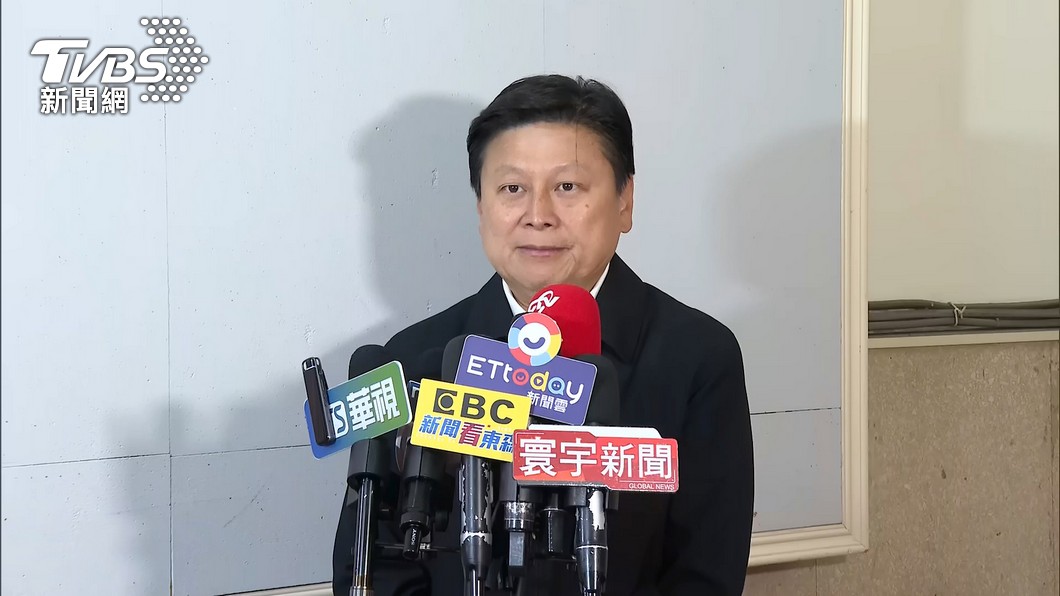
TAIPEI (TVBS News) — In a move that has sparked considerable debate, the Kuomintang (KMT) caucus whip Fu Kun-chi proposed the formation of a special investigation unit by the opposition parties, the KMT and the Taiwan People's Party (TPP), to probe corruption cases. This proposal, made on Wednesday (May 29), has been met with criticism from various political figures, highlighting a divide in Taiwan's approach to political oversight and reform.
Opposition and Critique
Democratic Progressive Party (DPP) caucus whip Ker Chien-ming responded on Thursday (May 30), arguing that if there is substantial evidence of corruption, it should be reported to the judicial authorities or exposed through a press conference, rather than pursuing what he described as empty talk that deceives the public. Similarly, TPP chairman Ko Wen-je opposed the establishment of the special investigation unit, emphasizing the need for consistency and fairness in the law and rejecting the proposal outright.
Debate on Constitutional Reform
DPP legislator Wang Ting-yu supported the idea of transitioning from a five-power to a three-power constitution, aligning more closely with Western democratic practices. He criticized Fu and Huang's proposal as an attempt to expand legislative power rather than serious constitutional reform, which he argued would be detrimental to national development.
The debate over the special investigation unit and the future of Taiwan's constitutional structure underscores the complexities of political reform and oversight in the country. As discussions continue, the focus remains on finding a balance between effective governance and maintaining democratic principles.