TVBS TECH看論壇/耶魯學者獨家指路 台灣矽島如何破解地緣霸凌
- 作者:Dimitri Bruyas (龔向華)
- 發佈時間:2026.08.26 10:31
- 最後更新時間:2026.08.27 16:49
- 作者:Dimitri Bruyas (龔向華)
- 發佈時間:2026.08.26 10:31
- 最後更新時間:2026.08.27 16:49

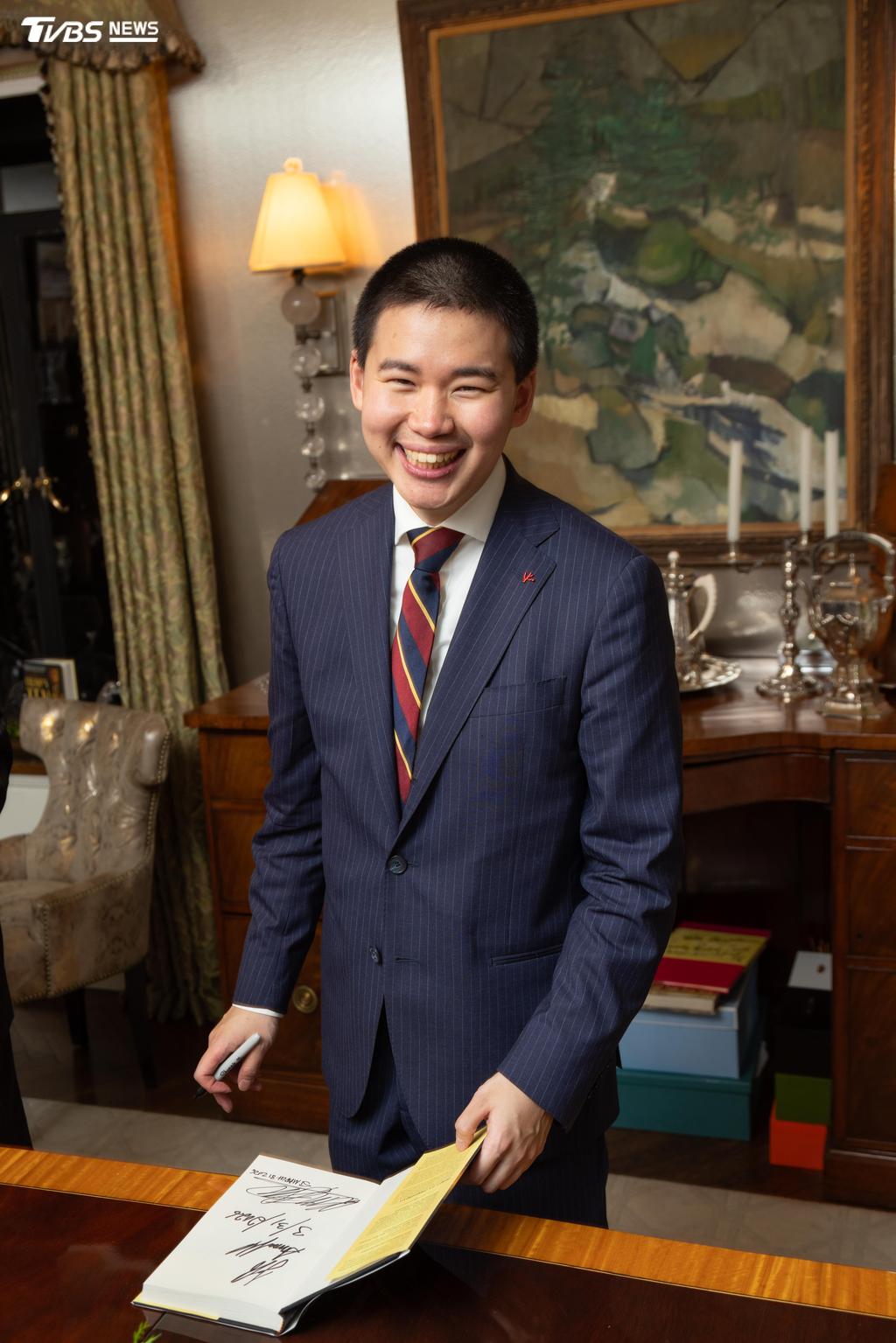
耶魯大學管理學院教授 傑佛瑞.索南菲爾德。(圖/TVBS)
當美國總統川普(Donald Trump)祭出關稅威脅,多數國家急忙設法安撫。台灣卻選擇了不同的路徑:保持冷靜、低調談判,最終將稅率砍半。兩位耶魯大學(Yale University)學者指出,這份克制揭示了更深層的事實。台灣手中握有尚未充分運用的談判籌碼。
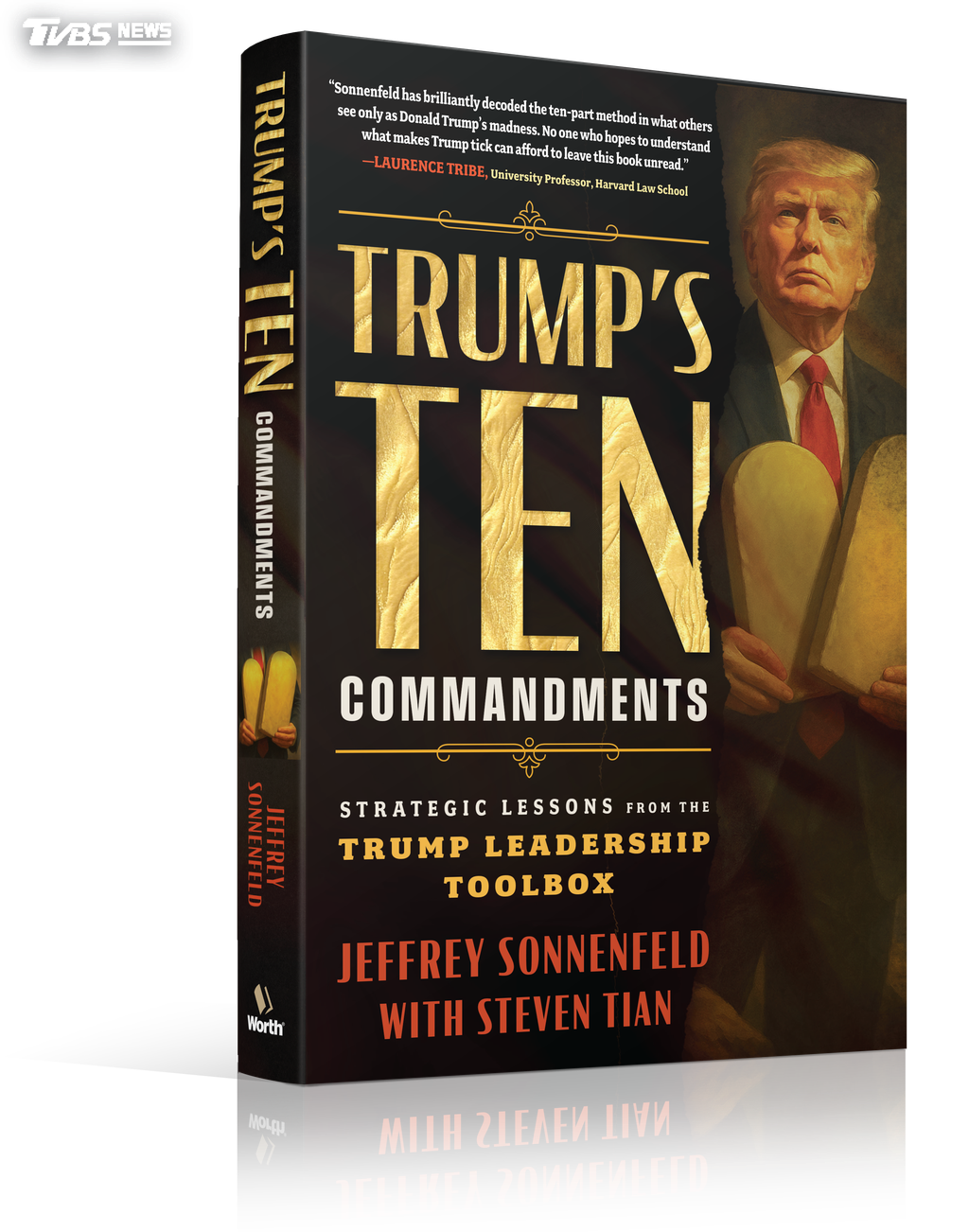
耶魯管理學院(Yale School of Management)教授傑佛瑞.索南菲爾德(Jeffrey Sonnenfeld)與該學院資深研究主任Steven Tian,近日接受TVBS News獨家專訪。兩人以合著新書《川普十誡》(Trump's Ten Commandments)為基礎,為台灣勾勒出一套應對策略。「台灣握有一手非常強的牌,」Tian說,「台灣擁有許多美國和川普總統需要且想要的東西。」
Tian以台積電為例,形容這是一家市值達2兆美元(約新台幣63.88兆元)、位居全球晶片供應鏈核心的企業。索南菲爾德補充,美國80%的晶片在台灣製造——若此數據屬實,將賦予台灣極為強大的談判籌碼。
然而,光有籌碼並不足夠。兩位學者從其他國家應對川普的經驗中汲取教訓。今年稍早,川普以駐軍威脅格陵蘭(Greenland)、以經濟制裁威脅丹麥(Denmark),歐洲國家與加拿大隨即組成統一戰線,迫使他退讓。「集體行動能打敗霸凌者,」索南菲爾德說。
索南菲爾德自一九九二年起便認識川普,他形容這位總統的談判風格刻意殘酷——在真正的討價還價開始前,先以極端要求擾亂對手陣腳。台灣的冷靜回應證明確實有效。當川普在「解放日」(Liberation Day)宣布大規模關稅,台灣成功將稅率談判降至15%,不到原始數字的一半。
「如果有一件事是川普總統比輸錢更討厭的,那就是輸掉尊嚴,」索南菲爾德說,「他從未覺得被台灣羞辱。」他將此與烏克蘭總統澤倫斯基(Volodymyr Zelensky)公開對抗川普的做法相對比。索南菲爾德表示,澤倫斯基的憤怒情有可原,但最終並無成效。
兩位學者警告,川普善於利用外交危機——格陵蘭、委內瑞拉(Venezuela)、伊朗(Iran)——來轉移國內問題的焦點,他們稱這種策略為「聲音之牆」(the wall of sound)。Tian強調,理解這些模式至關重要。「無論你喜歡川普總統、討厭川普總統,還是只想躲著他——那都不是選項。你必須了解他的運作方式。」
台灣政府對談判策略向來低調。但兩位學者的核心論點,或許已在現實中得到印證:台灣對去年「解放日」關稅的冷靜回應,在對抗策略失效之處取得了成功。隨著川普第二任期展開,問題不在於台灣是否擁有籌碼,而在於能否在下一場危機迫使其出手之前,認清自身的優勢。(截稿時,1美元約兌新台幣31.94元)
When Donald Trump threatened tariffs, most nations scrambled to appease him. Taiwan tried something different: it stayed calm, negotiated quietly, and cut the rate in half. Two Yale scholars say that restraint reveals a deeper truth: Taiwan holds leverage it has barely begun to use.
In an exclusive interview with TVBS News, Jeffrey Sonnenfeld, a professor at the Yale School of Management, and Steven Tian, the institute's senior research director, offered Taiwan a roadmap based on their new book, "Trump's Ten Commandments." "Taiwan is sitting on a very strong hand," Tian said. "It has a lot of things that the United States and President Trump need and want."
Tian pointed to Taiwan Semiconductor Manufacturing Company, which he described as a US$2 trillion company at the center of the global chip supply chain. Sonnenfeld added that 80 percent of American chips are manufactured in Taiwan — a figure that, if accurate, would give Taipei extraordinary bargaining power.
But leverage alone isn't enough. The scholars drew lessons from how other nations have handled Trump. When he threatened Greenland with U.S. troops and Denmark with economic sanctions earlier this year, European nations and Canada formed a unified front that forced him to retreat. "Collective action beats a bully," Sonnenfeld said.
Sonnenfeld, who has known Trump since 1992, described the president's negotiation style as deliberately brutal — opening with extreme demands to disorient opponents before actual bargaining begins. Taiwan's calm response proved effective. When Trump announced sweeping tariffs on "Liberation Day," Taiwan negotiated the rate down to 15 percent, less than half the original figure.
"If there's one thing that President Trump hates more than losing money, it's losing pride," Sonnenfeld said. "He never felt insulted by Taiwan." He contrasted this with Ukrainian President Volodymyr Zelensky's public confrontations with Trump — justified in his outrage, Sonnenfeld said, but ultimately ineffective.
The scholars warned that Trump uses foreign crises — Greenland, Venezuela, Iran — to distract from domestic problems, a tactic they call "the wall of sound." Understanding these patterns is essential, Tian said. "Whether you like President Trump, whether you hate President Trump, whether you want to just run and hide from him — that's not a choice. You need to understand how he works."
The Taiwanese government has said little about its negotiation strategy. But the scholars' core argument may already be proving itself: Taiwan's calm response to last year's "Liberation Day" tariffs succeeded where confrontation failed. As Trump's second term unfolds, the question is not whether Taiwan has leverage — it's whether Taipei will recognize it before the next crisis forces its hand. (At time of reporting, US$1 equals approximately NT$31.94)