德州政局變天、AI擴張恐放緩 台灣科技業面臨三大警訊
- 記者:Yu Han Lei|責任編輯:新聞中心
- 發佈時間:2026.11.06 11:13
- 最後更新時間:2026.11.06 11:13
- 記者:Yu Han Lei|責任編輯:新聞中心
- 發佈時間:2026.11.06 11:13
- 最後更新時間:2026.11.06 11:13
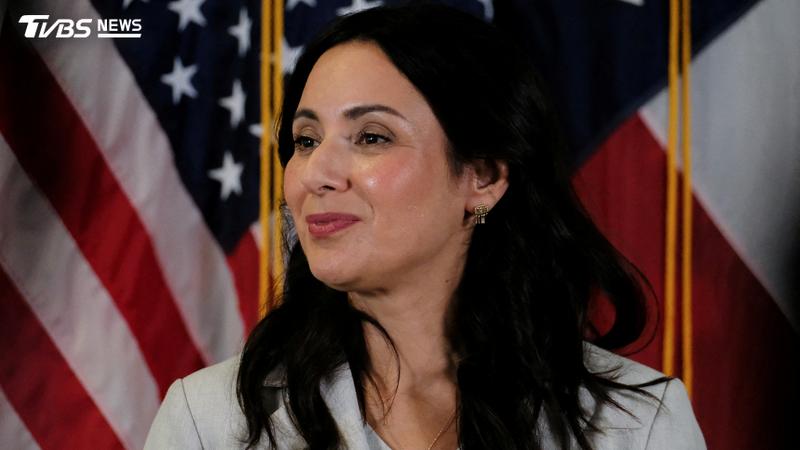
德州變天,AI擴張恐放緩。(圖/達志影像路透社)
Democrat Gina Hinojosa defeated Republican incumbent Gov. Greg Abbott, who was seeking a fourth term, in the U.S. midterm elections on Tuesday (Nov. 3), becoming the first Democrat to win the Texas governorship in more than three decades.
Democrats also won control of the Texas House of Representatives, marking a major political shift in the state. For Taiwanese technology companies that have regarded Texas as a major U.S. investment destination, the results signal a structural change in the business environment.
Texas' Pro-Business Model Faces a Reset
Texas has long attracted investment under Republican leadership with low taxes, relatively light regulation and abundant electricity. Qualifying data centers have been eligible for a 10- or 15-year exemption from the state's 6.25% sales and use tax on eligible purchases, including servers, cooling systems and electricity. The exemption applies to the state portion of the tax, while applicable local taxes remain payable.
The Jobs, Energy, Technology and Innovation (JETI) Act, established in 2023, offers property tax incentives for certain projects, including manufacturing facilities, high-tech infrastructure and dispatchable power generation. Semiconductor manufacturing and natural gas-fired power plants can qualify under the program, but data centers themselves are excluded. Together, these incentives have helped support investment across parts of the broader AI supply chain, from semiconductor production and power generation to data center infrastructure.
These programs could now face renewed scrutiny under the incoming Democratic administration. Hinojosa has called for a moratorium on new data center approvals until the Texas Legislature passes safeguards. Her approach also reflects a "cost-causation" principle in grid reform, under which companies responsible for driving infrastructure costs would be required to bear them rather than shifting the burden onto other electricity users.
Taiwanese Tech Suppliers Face Higher Investment Costs
From the perspective of international political economy, Texas is shifting from an investment-first approach to one that requires companies to internalize more of the costs they impose on local communities and infrastructure. The shift carries at least three implications for Taiwanese companies.
First, a slowdown in data center construction could delay local orders for Taiwanese suppliers of servers, thermal management systems and power equipment. Second, large factories are also major electricity consumers. Potentially higher grid connection costs, requirements for self-supplied power and stricter water-use standards could increase capital expenditure and extend project planning timelines. Third, reviews of tax incentive agreements are likely to become more stringent.
Companies should review existing agreements to determine the extent to which they are protected from policy changes and establish communication channels with local governments and state lawmakers as early as possible.
AI Expansion May Slow Across the United States
Nevertheless, tighter regulation does not necessarily mean the outlook for AI development in the United States is bleak. The overall direction of development is unlikely to change, although the pace may slow. Texas also retains its advantages in abundant land and energy resources.
More importantly, Democrats also won gubernatorial races in Georgia, Ohio, Iowa and Nevada, suggesting that the AI industry could face tighter regulatory scrutiny across the United States rather than in Texas alone. Taiwanese companies therefore cannot fully insulate themselves from regulatory risks simply by relocating to another state.
Ultimately, the scale of the impact will depend on how aggressively Democratic governors pursue their approach to AI regulation. If they push too hard and impose costs the industry cannot absorb, companies and executives across the AI supply chain could become more inclined to support a Republican presidential candidate in 2028.
For Taiwanese companies, accounting for these potential costs early in their investment plans will be essential to maintaining their competitiveness in the next phase of U.S. expansion.