德州政局轉向恐加嚴AI監管 台灣半導體供應鏈面臨成本壓力
- 記者:Yu Han Lei|責任編輯:新聞中心
- 發佈時間:2026.11.05 16:35
- 最後更新時間:2026.11.05 16:35
- 記者:Yu Han Lei|責任編輯:新聞中心
- 發佈時間:2026.11.05 16:35
- 最後更新時間:2026.11.05 16:35
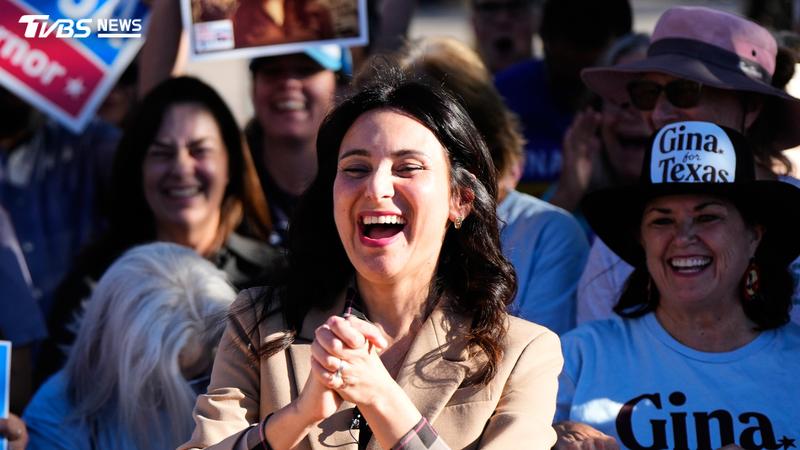
德州政局轉向,台商投資成本恐升。(圖/達志影像美聯社)
In an interview with TVBS TECH on Thursday (Nov. 5), Dennis Weng (翁履中), an associate professor of political science at Sam Houston State University, said the U.S. midterm elections reflect growing economic pressures on voters, including inflation and high energy prices. He added that the results highlight broader challenges in the AI era, as rapid technological expansion raises questions about resource allocation, energy demand and environmental costs.
Democratic victories in key Texas races have reshaped the political landscape in the longtime Republican stronghold, potentially raising operating costs and tightening regulations for technology companies and their supply chains.
Silicon Valley Migration Reshapes Texas Electorate
Texas has experienced a significant influx of new residents over the past decade. The COVID-19 pandemic accelerated the shift toward remote work, prompting engineers and technology professionals from Silicon Valley to relocate with their families to Austin and other emerging technology hubs across the state.
The influx has gradually altered Texas' long-standing voter demographics, bringing in a growing number of residents more supportive of liberal policies to a state traditionally dominated by conservatives, Weng said.
The widening divide between the technology sector and traditional industries has also become an important factor in the election.
Major technology companies and investment projects have benefited from local government incentives, including favorable land and tax arrangements. However, residents whose livelihoods depend largely on agriculture, ranching and other traditional industries have not necessarily shared in the economic gains generated by the technology boom, Weng said.
Instead, many have faced rising living costs and housing prices as the state's population has grown.
"When the benefits of technological development are not distributed evenly, working-class voters may feel left behind and use their ballots to express dissatisfaction with the government," Weng said.
AI Data Centers Put Pressure on Local Power and Water Supplies
Energy-intensive AI data centers emerged as a major point of contention during the election.
As the global race for AI computing capacity accelerates, data centers' substantial electricity needs and water consumption for cooling are placing increasing pressure on local power grids and water supplies. The growing demand has also raised concerns about higher utility bills for local residents.
Governor-elect Gina Hinojosa, a Democrat, has pledged to impose a moratorium on new data center approvals until the state legislature passes measures to protect local communities. She has also called for an end to tax subsidies for data center operators and said she would work to ensure Texans do not face higher electricity bills as a result of data center expansion.
"This is not about blocking technological progress or opposing the development of the AI industry," Weng said.
Rather, the incoming Democratic administration aims to strengthen government oversight and taxation to ensure major technology companies fulfill their corporate social responsibilities and give back to local communities.
Weng added that the goal is to balance the expansion of the technology sector with the interests of local residents.
Taiwanese Semiconductor Suppliers Face Higher Compliance Costs
The political shift in Texas also carries implications for Taiwan's semiconductor industry and its broader supply chain, which are closely tied to the U.S. technology sector.
Weng said major investment projects that have already been signed or completed are likely to face relatively limited disruption from policy changes. However, Taiwanese companies negotiating or planning new investments should pay close attention to policy uncertainty during the transition to the new administration in January and, where possible, finalize their plans before the handover.
"The United States' overall commitment to technology and AI development is unlikely to change, but regulatory and compliance requirements at the state and local levels will become significantly stricter," Weng said.
Taiwanese companies and technology suppliers should therefore factor potentially higher taxes and environmental compliance costs into their long-term business and investment plans, he said.
Weng also expects constraints on electricity and water supplies for computing facilities to accelerate technological shifts, potentially creating greater investment opportunities in small modular nuclear reactors (SMRs) and clean energy technologies in Texas.