下一支智慧型手機 能成為你的私人助理嗎?
- 作者:Richard Brown
- 發佈時間:2026.09.24 09:56
- 最後更新時間:2026.09.24 09:57
- 作者:Richard Brown
- 發佈時間:2026.09.24 09:56
- 最後更新時間:2026.09.24 09:57

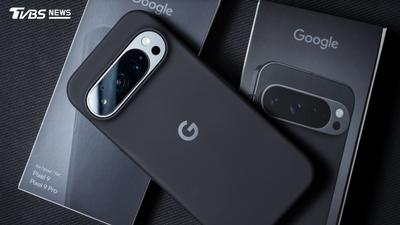
AI模型進步,未來手機有望成為私人助理。(圖/達志影像美聯社)
晶片業者押注能理解使用者情境並採取行動的 AI,為消費者創造新的換機理由。
你的航班取消了。想像一下,只要請手機尋找其他班次、確認是否還能趕上會議,並為正在等你的人預先擬好訊息。在付款或傳送任何內容之前,手機都會先徵求你的同意。這正是智慧型手機產業推動「代理式 AI」(Agentic AI)的願景:讓裝置能夠跨應用程式規劃並完成任務。
高通、聯發科與蘋果正開發相關處理器與軟體技術,讓裝置成為使用者的私人助理。它們面臨的挑戰,是讓這些功能在日常生活中隨時派上用場,同時避免過度耗電,或洩露儲存在手機中的私人資訊。
支撐這項願景的是兩項技術發展。裝置端 AI 讓 AI 模型直接在手機上運作,處理支援的任務時,無須將資訊傳送至遠端伺服器。代理式 AI 則是能夠規劃步驟並執行操作的軟體。AI 助理可以結合裝置端運算與線上服務,例如在手機上分析你的行事曆、保護行程隱私,同時向航空公司查詢可搭乘的航班。
硬體透過不同的專用處理器分工。中央處理器(CPU)負責執行應用程式與協調任務,圖形處理器(GPU)處理圖形與平行運算,神經網路處理器(NPU)則有效率地加速其支援的 AI 工作。這些元件早已共存於現代智慧型手機中。如今的變化,是它們能以更低的功耗處理更複雜的 AI 任務,讓全天候的個人化協助更具實用性。
聯發科的天璣 9600 Pro 採用雙 NPU 分工處理 AI 運算。其中一個以低功耗持續感知使用情境,另一個則負責較複雜的任務,例如理解更改航班的要求,並從手機儲存的資訊中找出行程安排上的限制。高通的 Personal Scribe 則建立訊息、電子郵件與對話之間的關聯,讓助理掌握使用者的個人情境。蘋果結合裝置端運算與雲端資源,處理運算需求較高的請求。這些做法都旨在讓助理回應更即時,也更貼近使用者的需求。
早期應用已展現人機互動可能如何改變。三星 Galaxy S26 提供 Now Nudge 功能,可辨識螢幕上的資訊,並建議新增行程、在地圖中開啟地點,或分享照片等操作。三星表示,除非使用者同意分享,否則個人資料會留在手機上處理。這些功能為跨應用程式串聯不同操作的 AI 助理奠定了實用基礎。
高通更進一步的願景,是讓個人 AI 串聯多種裝置。更進階的應用可以結合手機、眼鏡、耳機與其他個人裝置。維修人員或許只要將攝影機對準設備,就能取得根據核准維修手冊提供的操作指引。旅客也可以透過連網眼鏡詢問告示牌上的內容,並聽取翻譯。裝置端運算可讓支援的功能在網路連線不穩定時仍然派上用場。
當助理具備執行操作的能力,資安就成為核心問題。將資訊保留在裝置上,可以減少資料暴露於遠端服務的機會,但惡意訊息仍可能試圖操控助理。助理存取聯絡人、金融帳戶與工作檔案的權限,必須有明確界線。準備付款與授權付款應維持為兩個獨立步驟,使用者也必須能夠檢視並撤銷權限。
市場壓力不容小覷。IDC 在 8 月發布的預測指出,記憶體短缺推升價格,將使 2026 年全球智慧型手機出貨量下滑 16.7%。因此,AI 進入的市場環境,是消費者需要更充分的理由,才願意換購價格愈來愈高的裝置。
對晶片業者與手機品牌而言,機會在於讓日常事務變得更簡單,使消費者認為換機值得。這有賴業者與應用程式開發商及服務供應商密切合作。一個能可靠處理突發行程變動的助理,可能比處理器速度再次提升,更能說服消費者購買新手機。
Can Your Next Smartphone Become a Personal Assistant?
Chipmakers are betting on AI that understands your circumstances and takes action, giving consumers a new reason to upgrade.
Your flight is canceled. Imagine asking your phone to find another departure, check whether you can still make your meeting, and prepare messages for the people expecting you. Before spending money or sending anything, it asks for approval. That is the ambition behind the smartphone industry’s push into “agentic AI”: devices that can organize and complete tasks across applications.
Qualcomm, MediaTek, and Apple are developing the processors and software foundations for devices that can act as your personal assistant. Their challenge is to make these capabilities useful throughout the day without draining batteries or exposing the private details stored on a phone.
Two developments underpin this ambition. On-device AI runs an AI model on the phone, allowing supported tasks to work without sending information to a remote server. Agentic AI describes software that can plan steps and perform actions. An assistant can combine local processing with online services: understanding your calendar privately while contacting an airline to check available flights.
The hardware divides this work among specialized processors. The CPU runs applications and coordinates tasks, the GPU handles graphics and parallel calculations, and the neural processing unit, or NPU, accelerates supported AI workloads efficiently. These components already coexist in modern smartphones. What is changing is their ability to handle more demanding AI tasks while consuming less power, making personalized assistance more practical throughout the day.
MediaTek’s Dimensity 9600 Pro divides AI processing between two NPUs. One monitors context at low power, while the other handles more demanding tasks, such as interpreting a request to change a flight and identifying scheduling constraints from information stored on the phone. Qualcomm’s Personal Scribe builds connections among messages, emails, and conversations to give an assistant personal context. Apple combines processing on its devices with cloud resources for larger requests. These approaches aim to make assistance more responsive and relevant.
Early examples show how interaction could change. Samsung’s Galaxy S26 offers Now Nudge, which recognizes information on the screen and suggests actions such as adding an appointment, opening a location in a map, or sharing photographs. Samsung says personal data processing stays on the phone unless users consent to sharing. These are practical building blocks for assistants that connect activities across applications.
Qualcomm’s broader vision connects personal AI across multiple device categories. More ambitious applications could combine a phone with glasses, earbuds, and other personal devices. A maintenance worker might point a camera at equipment and receive instructions drawn from an approved service manual. A traveler could ask about a sign through connected glasses and hear a translation. Local processing could make supported functions useful where connectivity is unreliable.
Security becomes central when an assistant can act. Keeping information locally reduces exposure to remote services, but a malicious message could still try to manipulate the assistant. Access to contacts, financial accounts, and work files needs clear boundaries. Preparing a payment and authorizing it should remain separate steps, with users able to inspect and revoke permissions.
The commercial pressure is considerable. IDC’s August forecast projects a 16.7% decline in global smartphone shipments in 2026 as memory shortages raise prices. AI therefore enters a market where buyers need stronger reasons to replace increasingly expensive devices.
For chipmakers and phone brands, the opportunity is to make everyday tasks sufficiently easier that consumers value the upgrade. That depends on close cooperation with application developers and service providers. An assistant that reliably handles a disrupted journey could make a stronger sales argument than another increase in processor speed.